Improving your credit score is crucial for securing better mortgage rates. This guide will walk you through the steps to boost your score, understand the required documents for a mortgage application, and ultimately achieve your homeownership goals.
Understanding Credit Scores
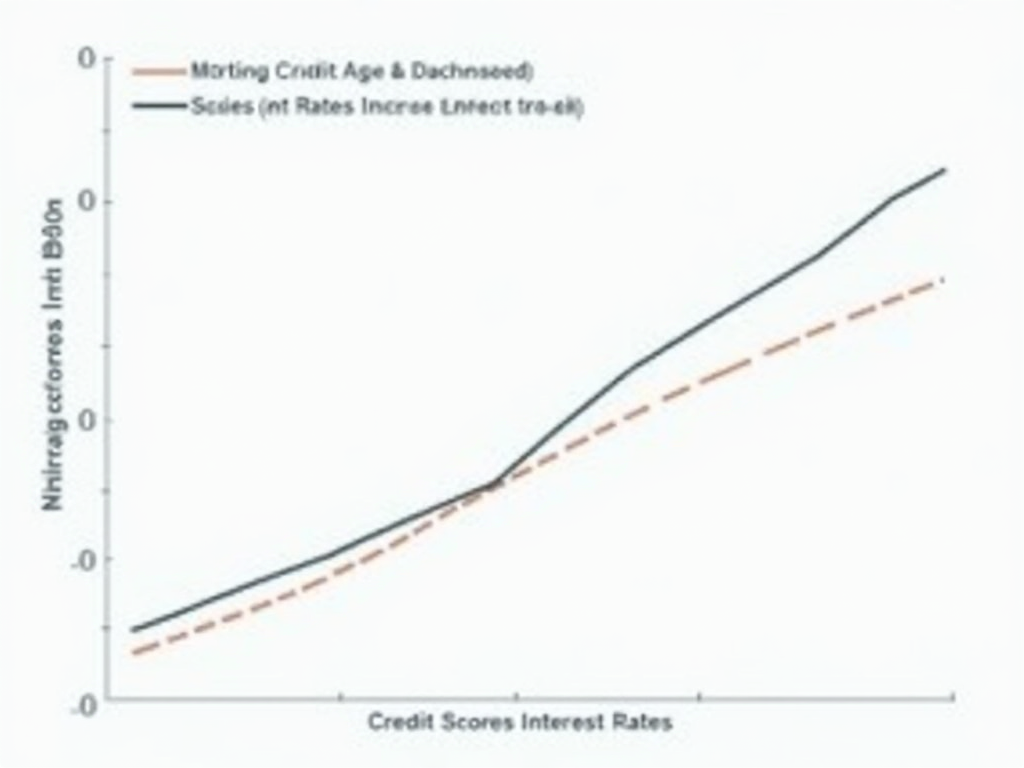
Your credit score is a numerical representation of your creditworthiness, typically ranging from 300 to 850. It's calculated based on factors like payment history, credit utilization, length of credit history, types of credit, and recent credit inquiries. Lenders use this score to assess the risk of lending to you. A higher score can lead to better mortgage rates, potentially saving you thousands of dollars over the life of your loan.
Checking Your Credit Report
Regularly checking your credit report is essential. Errors on your report can negatively impact your score. You can obtain a free copy of your report from each of the three major credit bureaus annually. Review it carefully and dispute any inaccuracies promptly.

Paying Bills on Time
Your payment history is the most significant factor in your credit score. Set up reminders or automatic payments to ensure you never miss a due date. Even a single late payment can have a lasting impact on your score.
Reducing Debt
High levels of debt, especially credit card debt, can hurt your score. Focus on paying down your balances. Consider using the debt snowball method, where you pay off smaller debts first, or the avalanche method, where you tackle high-interest debts first.

Limiting New Credit Applications
Each time you apply for new credit, it can temporarily lower your score. Be strategic about when you apply for new credit, and avoid opening multiple accounts in a short period.
Increasing Credit Limits
Increasing your credit limits can improve your credit utilization ratio, which is the amount of credit you're using compared to your total available credit. However, be cautious not to use the additional credit, as this could lead to more debt.
Diversifying Credit Types
Having a mix of credit types, such as credit cards, installment loans, and mortgages, can positively impact your score. However, only take on new credit if it makes financial sense for your situation.
Becoming an Authorized User
If you have a family member with good credit, ask to be added as an authorized user on their credit card. This can help you benefit from their positive credit history.
Seeking Professional Help
If you're struggling to improve your credit score, consider seeking help from a credit counselor or financial advisor. They can provide personalized advice and help you create a plan to achieve your goals.

Preparing for a Mortgage Application
When applying for a mortgage, you'll need to provide several documents, including proof of income, tax returns, bank statements, and identification. Having these documents organized and ready can streamline the application process.
The Impact of Credit Scores on Mortgage Rates
Your credit score directly affects the interest rate you'll receive on your mortgage. For example, a score of 760 or higher might qualify you for the best rates, while a score below 620 could result in higher rates or even denial of the loan.

Personal Insights
I remember when I first started working on my credit score. It was daunting at first, but by focusing on one step at a time, I was able to see steady improvement. One of the most effective strategies for me was setting up automatic payments for all my bills. This simple change ensured I never missed a payment, and over time, my score began to rise.
Conclusion
Improving your credit score is a journey, but the rewards are well worth the effort. By following the steps outlined in this guide, you'll be well on your way to securing better mortgage rates and achieving your homeownership dreams. Remember, consistency is key, and small changes can lead to significant improvements over time.


