Overview
Buying a home is one of the biggest financial decisions you'll ever make. With so many home loan options available, it can feel overwhelming to choose the right one. Understanding Different Types of Home Loans is key to finding a mortgage that fits your budget, goals, and lifestyle. This guide breaks down the most common loan types, their benefits, and what you need to qualify, with a special focus on FHA loans.
Why Home Loans Matter
A home loan, or mortgage, is money you borrow to buy a house, paid back over time with interest. The type of loan you choose affects your monthly payments, interest rates, and even how much house you can afford. When I bought my first home, I spent weeks researching loan options. It was confusing, but learning the differences helped me save thousands over the life of my loan. Let’s dive into the main types of home loans.
Conventional Loans: The Standard Choice
Conventional loans are the most common type of mortgage. They’re offered by private lenders, like banks or credit unions, and aren’t backed by the government. These loans often have stricter requirements, like higher credit scores (usually 620 or above) and larger down payments (3-20%). They’re great for buyers with strong credit who want flexibility in terms of loan terms.
Pros: Flexible terms (15, 20, or 30 years), no mortgage insurance with 20% down. Cons: Higher credit and income requirements, larger down payments.
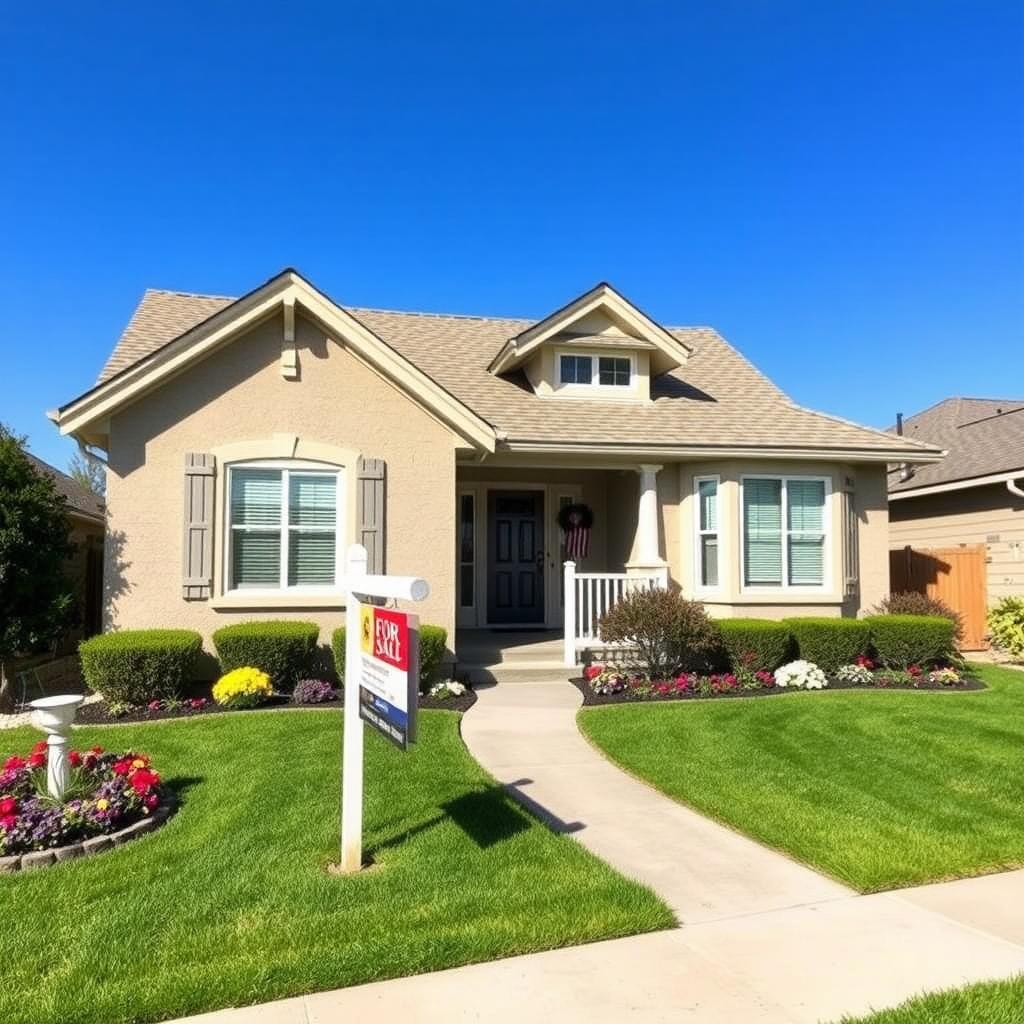
FHA Loans: Accessible for First-Time Buyers
FHA loans, backed by the Federal Housing Administration, are designed for first-time buyers or those with lower credit scores. The FHA loan requirements are more lenient, allowing credit scores as low as 580 with a 3.5% down payment. I’ve seen friends with less-than-perfect credit get approved for FHA loans, making homeownership possible when they thought it wasn’t.
Pros: Low down payments, flexible credit requirements. Cons: Requires mortgage insurance premiums (MIP) for the life of the loan.
FHA Loan Approval Process Step-by-Step
The FHA loan approval process step-by-step is straightforward but requires preparation. Here’s how it works:
- Check Your Credit: Ensure your credit score is at least 580 for the minimum down payment. Scores between 500-579 may qualify with 10% down.
- Get Pre-Approved: Contact a lender to review your income, debts, and credit. Pre-approval shows sellers you’re serious.
- Find an FHA-Approved Lender: Not all lenders offer FHA loans, so confirm they’re approved by the FHA.
- Submit Documentation: Provide pay stubs, tax returns, and bank statements. Be ready for a thorough review.
- Home Appraisal: The FHA requires an appraisal to ensure the home meets safety and value standards.
- Loan Underwriting: The lender evaluates your application and the property. This can take a few weeks.
- Closing: Sign the paperwork, pay closing costs, and get the keys!
For detailed FHA guidelines, check the U.S. Department of Housing and Urban Development’s FHA page.
VA Loans: For Veterans and Military Families
VA loans, backed by the Department of Veterans Affairs, are available to active-duty military, veterans, and eligible spouses. They require no down payment and no private mortgage insurance, which is a huge perk. When my cousin, a veteran, used a VA loan, he was amazed at how much he saved upfront.
Pros: No down payment, no PMI, competitive rates. Cons: Limited to eligible veterans, requires a funding fee.

USDA Loans: Rural Homeownership
USDA loans, backed by the U.S. Department of Agriculture, help buyers in rural areas. They offer zero down payment and low interest rates for low-to-moderate-income borrowers. These loans are less common but perfect for rural communities. A friend in a small town used a USDA loan to buy a charming farmhouse with no money down.
Pros: No down payment, low rates. Cons: Limited to rural areas, income restrictions apply.
Comparing Home Loan Types
Here’s a quick comparison to help you decide:
| Loan Type | Down Payment | Credit Score | Mortgage Insurance | Best For |
|---|---|---|---|---|
| Conventional | 3-20% | 620+ | Optional | Strong credit buyers |
| FHA | 3.5% | 580+ | Required | First-time buyers |
| VA | 0% | None | None | Veterans, military |
| USDA | 0% | 640+ | Required | Rural buyers |
This table helped me visualize the trade-offs when I was choosing my loan. For more on loan comparisons, see Freddie Mac’s mortgage guide.
Choosing the Right Loan for You
Picking a loan depends on your financial situation and goals. Ask yourself: - What’s my credit score? Lower scores may point you to FHA loans. - How much can I afford upfront? VA or USDA loans are great for no down payment. - Where am I buying? USDA loans work only in rural areas. - How long will I stay? Shorter stays might favor adjustable-rate mortgages.
When I chose my FHA mortgage, the low down payment was a lifesaver since I didn’t have much saved. Talk to multiple lenders to compare offers. The Consumer Financial Protection Bureau has great tools for this.

Common Mistakes to Avoid
- Not Shopping Around: Don’t take the first offer. Compare rates from at least three lenders.
- Ignoring Total Costs: Look beyond interest rates to closing costs and fees.
- Overborrowing: Just because you’re approved for a large loan doesn’t mean you should take it.
- Skipping Pre-Approval: This step shows sellers you’re serious and helps you budget.
I almost made the mistake of skipping pre-approval, thinking it wasn’t necessary. It would’ve cost me my dream home when another buyer moved faster.
Final Thoughts
Understanding Different Types of Home Loans empowers you to make informed choices. Whether it’s the flexible terms of a conventional loan, the accessibility of an FHA mortgage, or the no-down-payment perks of VA and USDA loans, there’s an option for every buyer. Take time to research, compare, and align your loan with your financial goals. Homeownership is a big step, but with the right loan, it’s within reach.


