Overview
Improving your credit score can make a huge difference when applying for a mortgage. A higher score often means lower interest rates, saving you thousands over the life of your loan. This article shares practical steps to boost your credit, navigate FHA loan requirements, and qualify for the best mortgage rates.
Why Your Credit Score Matters for a Mortgage
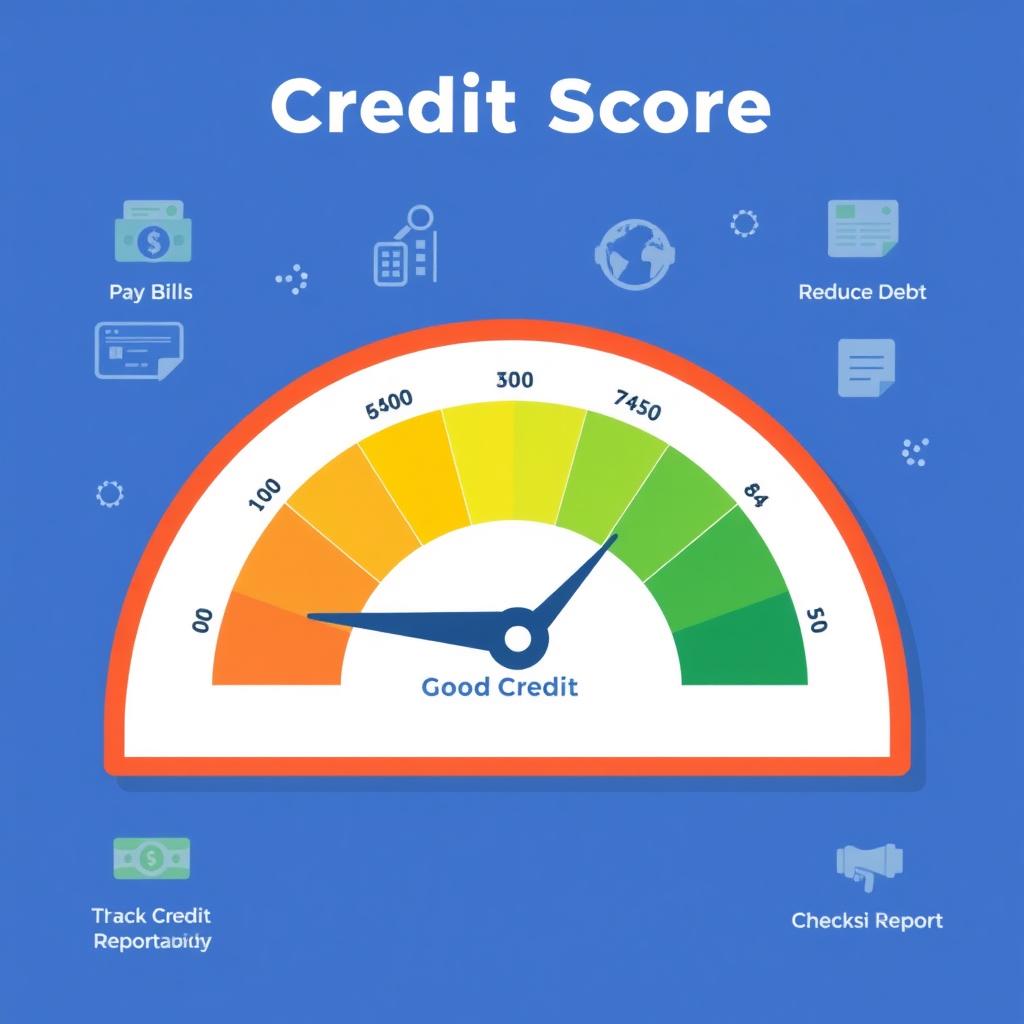
Your credit score is a number that tells lenders how likely you are to repay a loan. It’s based on your financial history, like paying bills on time or managing debt. For mortgages, a higher score can unlock better rates, which means lower monthly payments. For example, a 760 score might get you a 3.5% rate, while a 620 score could push it to 5%. Over 30 years, that difference could cost you tens of thousands.
Mortgage lenders, including those offering FHA loans, use your score to decide your risk level. FHA loans, backed by the Federal Housing Administration, are popular for first-time buyers because they have more flexible requirements. But even with an FHA mortgage, a better score improves your chances and terms.

Step 1: Check Your Credit Report
Start by getting a free copy of your credit report from each of the three major bureaus: Equifax, Experian, and TransUnion. You can access these at AnnualCreditReport.com, a government-authorized site. Look for errors, like accounts that aren’t yours or late payments you didn’t make. I once found a $200 medical bill I’d paid but was wrongly reported as unpaid. Disputing it raised my score by 30 points.
Fixing mistakes is crucial because even small errors can drag your score down. Contact the bureau in writing to dispute inaccuracies, and include proof like receipts or bank statements. Most disputes are resolved within 30 days.
Step 2: Pay Down Debt Strategically
Your credit score loves low debt levels. Focus on your credit utilization ratio, which is how much you owe compared to your credit limit. Aim to keep it below 30%. For example, if your card has a $10,000 limit, don’t owe more than $3,000. Paying down high-interest cards first can save money and boost your score faster.
When I was preparing for a mortgage, I tackled my highest-balance card first. I put extra cash toward it while making minimum payments on others. Within three months, my score jumped 25 points. Avoid closing old accounts, though—keeping them open lengthens your credit history, which helps your score.
Step 3: Pay Bills on Time
Payment history is the biggest factor in your credit score, making up about 35% of it. Even one late payment can drop your score by 50 points or more. Set up automatic payments for at least the minimum due on all bills. If you’re forgetful, calendar reminders work too.
If you’ve missed payments in the past, get current and stay consistent. Lenders like to see at least 12 months of on-time payments. For FHA loan eligibility, a clean payment history is especially important, as lenders scrutinize your reliability.
Step 4: Avoid New Credit Applications
Every time you apply for credit, it triggers a hard inquiry, which can lower your score by a few points. Too many inquiries in a short time look risky to lenders. When I was house hunting, I avoided new credit cards and loans for six months before applying for a mortgage. This kept my score stable.
For FHA mortgages, lenders often want to see fewer than two inquiries in the last year. If you need to shop for rates, do it within a 14-day window—most scoring models count multiple mortgage inquiries as one.
Navigating FHA Loan Requirements
FHA loans are a great option if your credit isn’t perfect. They allow scores as low as 580 with a 3.5% down payment, or even 500 with 10% down, according to the U.S. Department of Housing and Urban Development. But a higher score still gets you better rates. For example, a 620 score might qualify you, but a 700 could shave half a percent off your rate.
To qualify for an FHA mortgage, you’ll also need:
- A debt-to-income (DTI) ratio below 43% (total debt payments divided by monthly income)
- Proof of steady income for at least two years
- A property that meets FHA appraisal standards
I knew someone who got an FHA loan with a 590 score, but their interest rate was higher, and they needed mortgage insurance. Boosting your score before applying can reduce these costs.
Step 5: Build Credit with Small Moves
If your score needs a bigger boost, try smaller tactics. Become an authorized user on a family member’s credit card with a good payment history. Their positive habits can reflect on your report. Also, consider a secured credit card if you’re starting fresh. You deposit money upfront, which becomes your credit limit, and responsible use builds your score.
I helped a friend with a thin credit file by adding them to my card. They didn’t use it, but my on-time payments boosted their score by 40 points in six months. Just make sure the primary user is reliable.

How to Qualify for an FHA Mortgage
Beyond credit, FHA loan eligibility requires meeting specific financial and property standards. You’ll need to show you can afford the mortgage, including taxes and insurance. Lenders will check your employment history and bank statements. They also require mortgage insurance premiums (MIP), which protect the lender if you default.
To strengthen your application, save for a larger down payment and lower your DTI. One tip I learned: pay off small loans or consolidate debt to improve your DTI before applying. This can make you look less risky to lenders.
Common Mistakes to Avoid
Don’t make these errors when working on your credit:
- Maxing out credit cards: High balances hurt your utilization ratio.
- Ignoring small debts: A $50 unpaid bill can tank your score.
- Applying for multiple loans: Shop smart to limit inquiries.
- Skipping credit checks: You can’t fix what you don’t know.
I once ignored a $100 utility bill, thinking it was no big deal. It went to collections and dropped my score by 60 points. Always stay on top of every debt, no matter how small.
How Long Does It Take to Improve Your Score?
Raising your score depends on your starting point. Minor improvements (20-50 points) can happen in 3-6 months with consistent effort. Bigger jumps, like 100 points, might take a year. For FHA loans, aim for at least 580 to qualify with a lower down payment, but 620 or higher is better for favorable rates, per Consumer Financial Protection Bureau.
Track your progress monthly using free tools like Credit Karma or Experian’s app. Seeing small wins keeps you motivated.
Summary
Improving your credit score for a better mortgage rate takes time but is worth it. Check your credit report, pay down debt, and make payments on time. For FHA loans, understand the eligibility rules and aim for a score above 620 for the best terms. With patience and smart moves, you’ll be ready to secure a great mortgage and start your homeownership journey.


