Overview: A Smart Way to Save on Your Mortgage
Making extra payments on your mortgage can be a game-changer for homeowners. By paying more than the required monthly amount, you can cut down the total interest paid, shorten the mortgage term, and build equity faster. This article dives into how extra payments slash your mortgage costs, offering practical tips and real-world insights to help you save money.
Why Extra Payments Matter
When you take out a mortgage, you're committing to paying back the loan plus interest over a set period, often 15 or 30 years. The interest can add up to tens or even hundreds of thousands of dollars over the life of the loan. By making extra payments, you reduce the principal faster, which lowers the interest charged over time.
Think of it like this: every extra dollar you pay toward the principal is a dollar that won’t accrue interest for years to come. This simple strategy can lead to massive savings, especially early in the mortgage term when interest makes up a larger portion of your monthly payment.

How Extra Payments Work
Extra payments directly reduce the principal balance of your mortgage. Since interest is calculated on the remaining principal, lowering it means less interest accrues each month. This can have a snowball effect, especially if you start early.
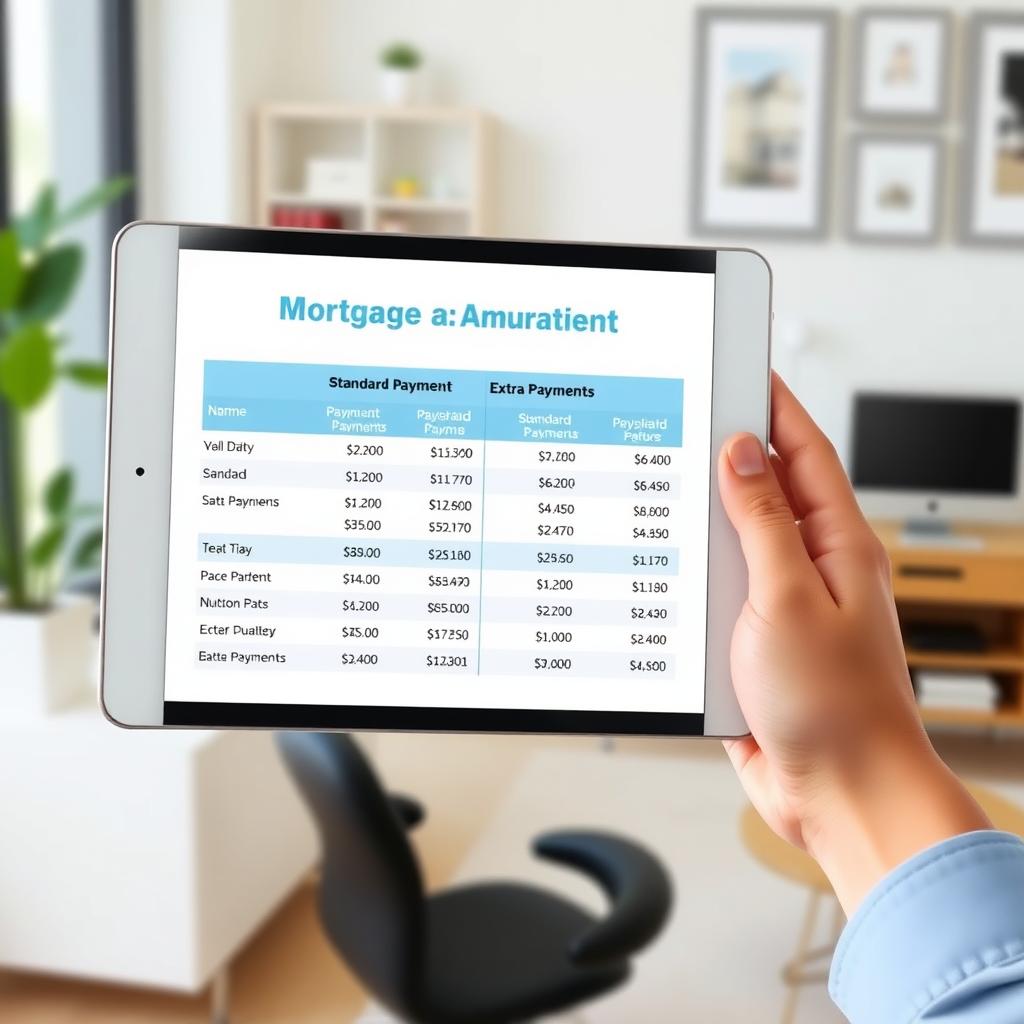
For example, let’s say you have a $300,000 mortgage with a 4% interest rate over 30 years. Your monthly payment (excluding taxes and insurance) is about $1,432. If you add just $100 extra per month, you could save over $28,000 in interest and pay off the loan nearly 4 years earlier. Use an online mortgage calculator to see how different extra payment amounts impact your specific loan.
Types of Extra Payments
There are several ways to make extra payments, depending on your budget and goals:
- Monthly Extra Payments: Add a fixed amount to your regular payment, like $50 or $200.
- Annual Lump Sums: Use bonuses, tax refunds, or other windfalls to make one-time payments.
- Biweekly Payments: Pay half your monthly payment every two weeks, resulting in one extra payment per year.
- Round-Up Payments: Round up your payment to the nearest hundred (e.g., pay $1,500 instead of $1,432).
Each method works, but consistency is key. Even small amounts add up over time.
Real-World Impact: A Personal Story
When I bought my first home, I was overwhelmed by the idea of a 30-year mortgage. The interest alone was nearly as much as the loan itself! A friend suggested making extra payments, so I started adding $50 a month to my payment. It didn’t feel like much, but after five years, I checked my loan balance and was shocked to see I’d shaved off over $10,000 in interest and two years from the mortgage term. That motivated me to keep going, and I eventually paid off my home in 22 years instead of 30. That feeling of freedom was worth every extra dollar.
Saving Money with Mortgage Interest Rates
Interest rates play a huge role in your mortgage costs. The higher the rate, the more you’ll pay over time. Saving money with mortgage interest rates starts with securing a low rate, but extra payments amplify those savings. For instance, if you have a 5% rate versus a 3% rate on a $300,000 loan, the higher rate could cost you an extra $100,000 over 30 years. Extra payments reduce the principal faster, making the impact of any interest rate less severe.
If rates drop, consider refinancing to a lower rate and continuing extra payments. This combo can drastically cut your costs. Check with your lender or a financial advisor to ensure refinancing makes sense for your situation.
Exploring Mortgage Term Length Options
When choosing a mortgage, you’ll face different mortgage term length options, typically 15, 20, or 30 years. Shorter terms mean higher monthly payments but less interest overall. Extra payments can mimic the benefits of a shorter term without locking you into a higher payment.
Here’s a quick comparison:
| Term Length | Monthly Payment | Total Interest (4% Rate, $300,000 Loan) |
|---|---|---|
| 15 Years | $2,219 | $99,462 |
| 30 Years | $1,432 | $215,609 |
By making extra payments on a 30-year mortgage, you can achieve the interest savings of a 15-year term while keeping the flexibility of lower required payments.
Practical Tips for Making Extra Payments
Ready to start? Here are some actionable steps:
- Check with Your Lender: Ensure your extra payments go toward the principal, not interest or escrow. Some lenders require specific instructions.
- Start Small: Even $25 extra per month can make a difference over time.
- Automate Payments: Set up automatic extra payments to stay consistent.
- Use Windfalls Wisely: Apply bonuses, tax refunds, or gifts to your mortgage.
- Review Annually: Check your loan balance yearly to see your progress and stay motivated.
Pro tip: Avoid loans with prepayment penalties, which can negate the benefits of extra payments. Most modern mortgages don’t have these, but always double-check.

Potential Risks and Considerations
Extra payments aren’t for everyone. Before diving in, consider:
- Emergency Fund: Ensure you have 3-6 months of savings for unexpected expenses.
- Other Debt: Pay off high-interest debt (like credit cards) first, as it often outpaces mortgage interest.
- Opportunity Cost: Money put toward your mortgage can’t be invested elsewhere. Compare your mortgage rate to potential investment returns.
For example, if your mortgage rate is 3% but you could earn 7% in the stock market, investing might be smarter. A financial planner can help weigh these options.
Tools and Resources
To maximize your savings, use free online tools like mortgage calculators from sites like Bankrate (https://www.bankrate.com/mortgages/) or NerdWallet (https://www.nerdwallet.com/mortgages). These let you input extra payment amounts to see their impact. Your lender’s online portal may also show how extra payments affect your loan timeline.
If you’re unsure where to start, talk to a financial advisor. They can tailor a plan to your budget and goals, ensuring you’re saving money with mortgage interest rates effectively.
Summary: Take Control of Your Mortgage
Making extra payments is a powerful way to slash your mortgage costs, reduce your mortgage term, and save thousands in interest. Whether you add $50 a month or make occasional lump-sum payments, the savings add up. Start small, stay consistent, and use tools to track your progress. With a little effort, you can pay off your home faster and enjoy financial freedom sooner.


