Overview
FHA appraisals are a critical step in securing an FHA mortgage, but they come with unique challenges. Unlike conventional appraisals, FHA appraisals follow strict guidelines to ensure the property meets safety and livability standards. This article explores common issues in FHA appraisals, offering actionable advice to help homebuyers and sellers avoid delays and complications.
Understanding FHA Appraisals
An FHA appraisal is more than just a valuation of a property’s worth. It’s a detailed inspection to ensure the home meets the Department of Housing and Urban Development (HUD) standards for safety, security, and structural integrity. Required for any FHA mortgage, this process protects both the lender and the buyer by ensuring the property is a sound investment. However, these strict requirements often lead to issues that can stall or derail a home sale.
From my experience working with clients navigating the FHA mortgage process, I’ve seen how misunderstandings about these appraisals can cause frustration. Buyers may assume the process is straightforward, while sellers might not realize their home needs specific repairs to pass. Let’s dive into the most common issues in FHA appraisals and how to address them.

Common Issues in FHA Appraisals
Below are the most frequent problems that arise during FHA appraisals, along with tips to resolve them.
1. Peeling Paint and Exterior Damage
FHA guidelines require that the home’s exterior be in good condition. Peeling or chipping paint, especially on homes built before 1978, raises concerns about lead-based paint hazards. Even minor exterior damage, like cracked siding or rotted wood, can flag the property as non-compliant.
Solution: Sellers should inspect the exterior before listing. Repaint or repair damaged areas, and if the home is older, consider a lead-paint test to address potential issues proactively. Buyers should ask for a pre-appraisal inspection to catch these problems early.
2. Safety Hazards
FHA appraisals prioritize safety. Issues like missing handrails on stairs, exposed electrical wiring, or broken windows can lead to a failed appraisal. I once worked with a seller who was surprised when their charming fixer-upper was flagged for a missing handrail on a short staircase. It seemed minor, but it was enough to delay closing.
Solution: Conduct a safety walkthrough before the appraisal. Ensure all staircases have secure handrails, windows are intact, and electrical systems are up to code. These fixes are often inexpensive but make a big difference.
3. Roof and Foundation Issues
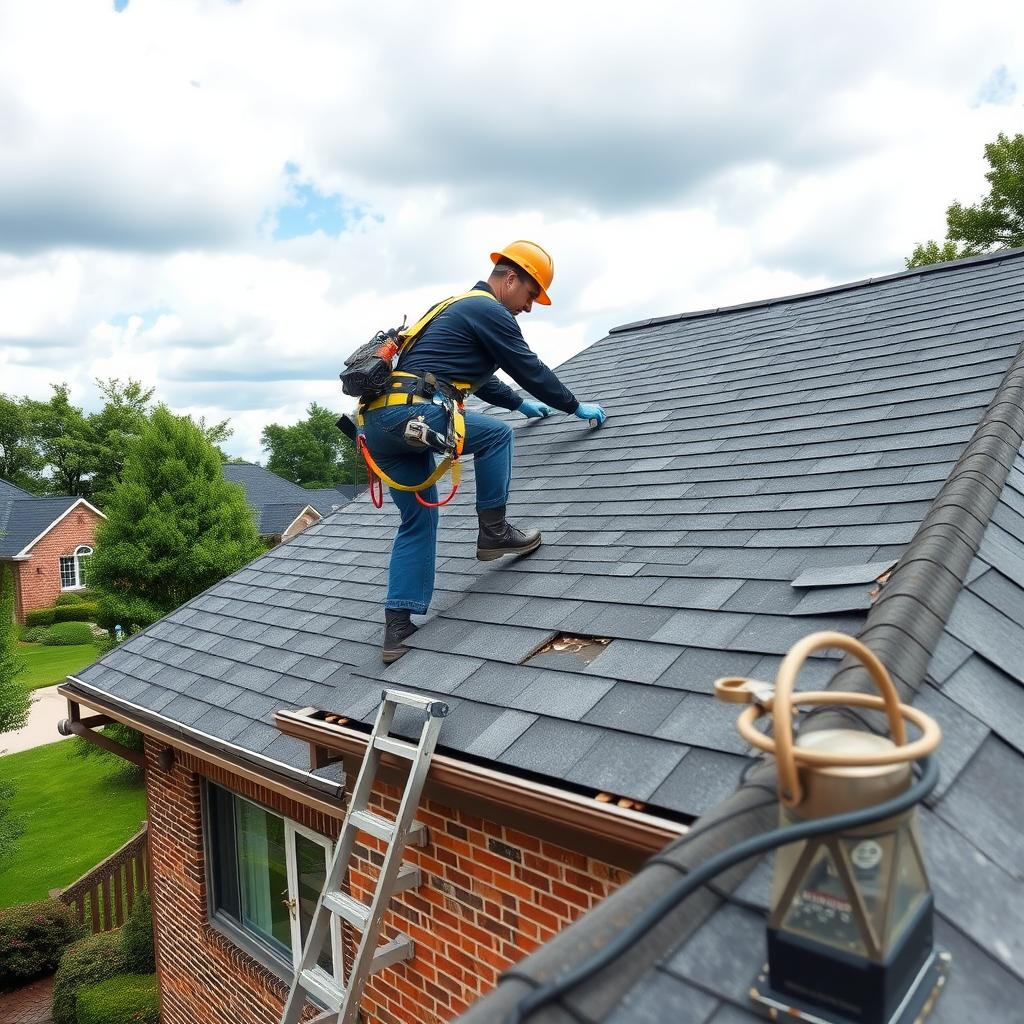
A roof with less than two years of remaining life or a foundation with significant cracks can stop an FHA appraisal in its tracks. HUD requires that the home’s structure be sound. A client of mine once faced a rejected appraisal because the roof showed signs of leaks, even though the home was otherwise in great shape.
Solution: Sellers should have the roof and foundation inspected before listing. If repairs are needed, address them early or negotiate with the buyer to cover costs. Buyers can request a professional inspection to identify these issues upfront.
4. Inadequate Heating and Cooling Systems
FHA guidelines require that the home have adequate heating for all living spaces. In some cases, outdated or insufficient systems, like space heaters or window air conditioners, won’t meet the standard. This issue often surprises buyers in older homes or rural areas.
Solution: Verify that the home’s heating and cooling systems are functional and meet FHA requirements. Sellers may need to upgrade to a central system or ensure portable units are permanently installed. Buyers should confirm system compliance during the home inspection.
5. Pest Infestations
Evidence of termites, rodents, or other pests can cause an appraisal to fail. FHA appraisers look for signs of damage, such as wood rot or droppings. I recall a deal where a minor termite issue required a full treatment before the appraisal could proceed.
Solution: Schedule a pest inspection before the appraisal. If issues are found, hire a licensed exterminator to treat the problem and provide documentation. Buyers should request pest reports to avoid surprises.
How These Issues Impact the FHA Mortgage Process
When an FHA appraisal flags issues, it can delay or even cancel the loan approval. The lender won’t move forward until the problems are resolved, which can mean added costs for repairs or renegotiations between buyer and seller. In some cases, buyers walk away if the seller can’t or won’t make the necessary fixes. Understanding these common issues in FHA appraisals upfront can save time and stress.
Tips for a Smooth FHA Appraisal
Here’s a quick checklist to help buyers and sellers prepare:
| Task | For Sellers | For Buyers |
|---|---|---|
| Inspect Exterior | Repair peeling paint, siding, or trim | Request exterior condition report |
| Check Safety Features | Install handrails, fix windows | Verify safety compliance |
| Assess Roof and Foundation | Get professional inspections | Review inspection reports |
| Confirm Heating/Cooling | Upgrade outdated systems | Ensure systems meet FHA standards |
| Address Pests | Schedule pest treatment | Request pest inspection records |
By addressing these areas proactively, both parties can avoid common pitfalls.

Working with Professionals
Navigating FHA appraisals is easier with the right team. A knowledgeable real estate agent can guide sellers on preparing the home, while a trusted home inspector can help buyers identify potential issues early. Appraisers themselves are also key players—choose one experienced with FHA requirements to ensure a thorough and fair evaluation. For authoritative guidance, check HUD’s official FHA appraisal guidelines at HUD.gov. Their resources clarify what appraisers look for and how to meet standards.
Personal Insights
Having seen dozens of FHA appraisals, I’ve learned that preparation is everything. One memorable case involved a first-time buyer who fell in love with a 1950s bungalow. The appraisal flagged peeling paint and a shaky porch railing. The seller, eager to close, made the repairs within a week, and the deal went through smoothly. This taught me that small fixes can make or break a sale. Communication between buyers, sellers, and lenders is also critical to address issues quickly.
Summary
Common issues in FHA appraisals, like peeling paint, safety hazards, and structural problems, can complicate the FHA mortgage process. By preparing in advance—through inspections, repairs, and clear communication—buyers and sellers can avoid delays and ensure a successful transaction. Stay proactive, work with professionals, and use resources like HUD’s guidelines to navigate the process with confidence.


