Overview
Getting your home ready for an FHA appraisal can feel overwhelming, but it’s a crucial step in securing an FHA mortgage. This guide breaks down everything you need to know to prepare your home, avoid common pitfalls, and increase your chances of a successful appraisal.
Understanding the FHA Appraisal Process
An FHA appraisal is more than just a valuation of your home’s worth. It’s a detailed inspection to ensure the property meets the Federal Housing Administration’s (FHA) safety, security, and structural standards. Unlike conventional appraisals, FHA appraisals focus heavily on the home’s condition to protect the buyer and the lender. As someone who’s helped friends navigate this process, I’ve seen how a little preparation goes a long way.
The appraiser will check for issues like structural damage, safety hazards, and functionality of key systems like plumbing and electrical. If your home doesn’t meet these standards, it could delay or derail your FHA mortgage approval. Let’s dive into the steps to get your home ready.
Step 1: Focus on Safety and Repairs
Safety is the top priority for an FHA appraisal. Appraisers look for anything that could pose a risk to occupants. Start by walking through your home and checking for obvious issues. Fix broken handrails, repair loose steps, and replace cracked windows. I once helped a neighbor replace a wobbly staircase railing before an appraisal—it made a huge difference.
Pay special attention to peeling paint, especially in homes built before 1978, as it could contain lead. The FHA requires that any chipping or peeling paint be scraped and repainted. Also, ensure smoke detectors and carbon monoxide alarms are installed and working on every level of the home.
Step 2: Address Common Issues in FHA Appraisals
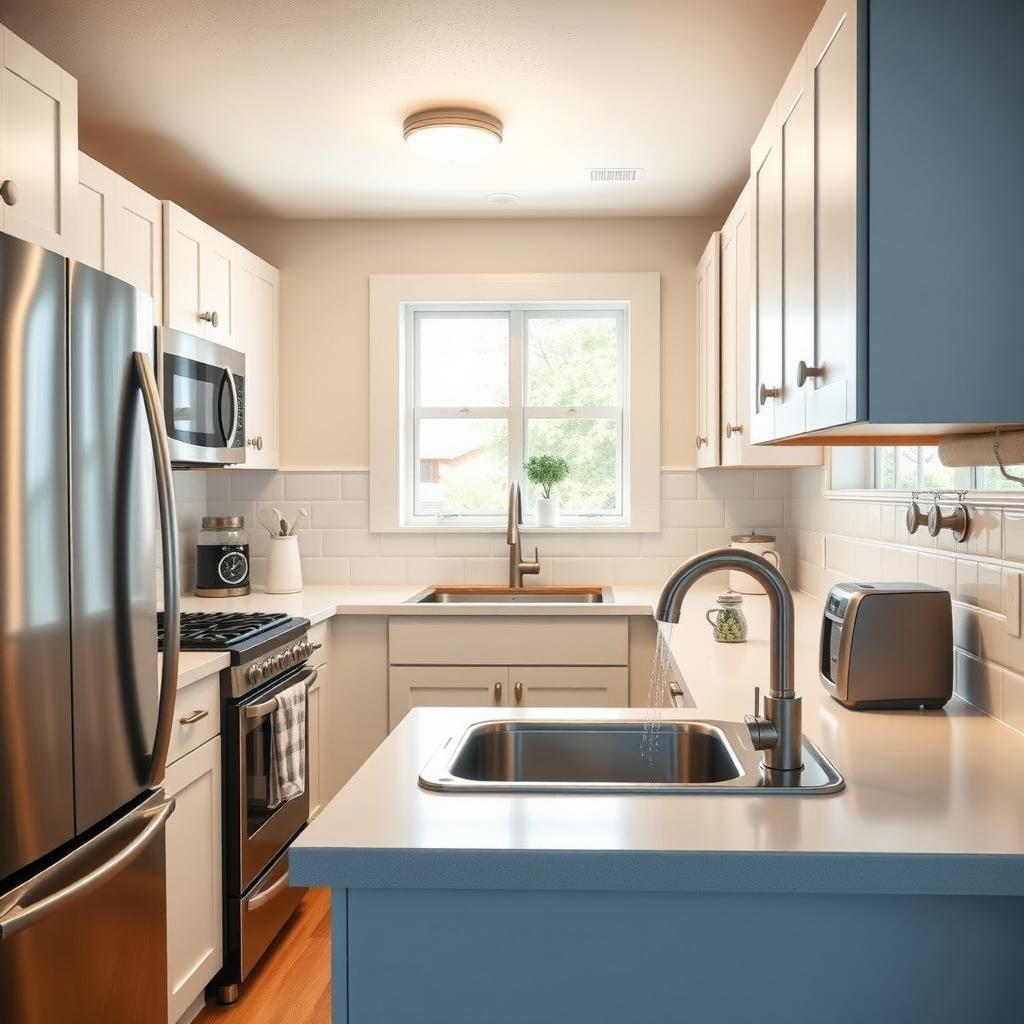
Common issues in FHA appraisals often trip up homeowners. These include faulty electrical systems, leaky plumbing, and poor roof conditions. I’ve seen appraisals delayed because of small leaks under a kitchen sink that could’ve been fixed in an hour. Check all faucets, toilets, and pipes for leaks and repair them promptly.
Electrical systems are another big focus. Ensure all outlets and switches work properly, and replace any exposed wiring. If your home has an older electrical panel, consider having it inspected by a professional. A friend of mine had to upgrade their panel to meet FHA standards, and it saved them from a failed appraisal.
Here’s a quick checklist of common FHA appraisal issues to address: - Roof: Must have at least 2-3 years of life left. - Foundation: No visible cracks or water damage. - HVAC Systems: Must be functional and safe. - Pest Damage: Termite or pest issues must be resolved. - Water Damage: Fix any signs of mold or mildew.
Step 3: Enhance Curb Appeal
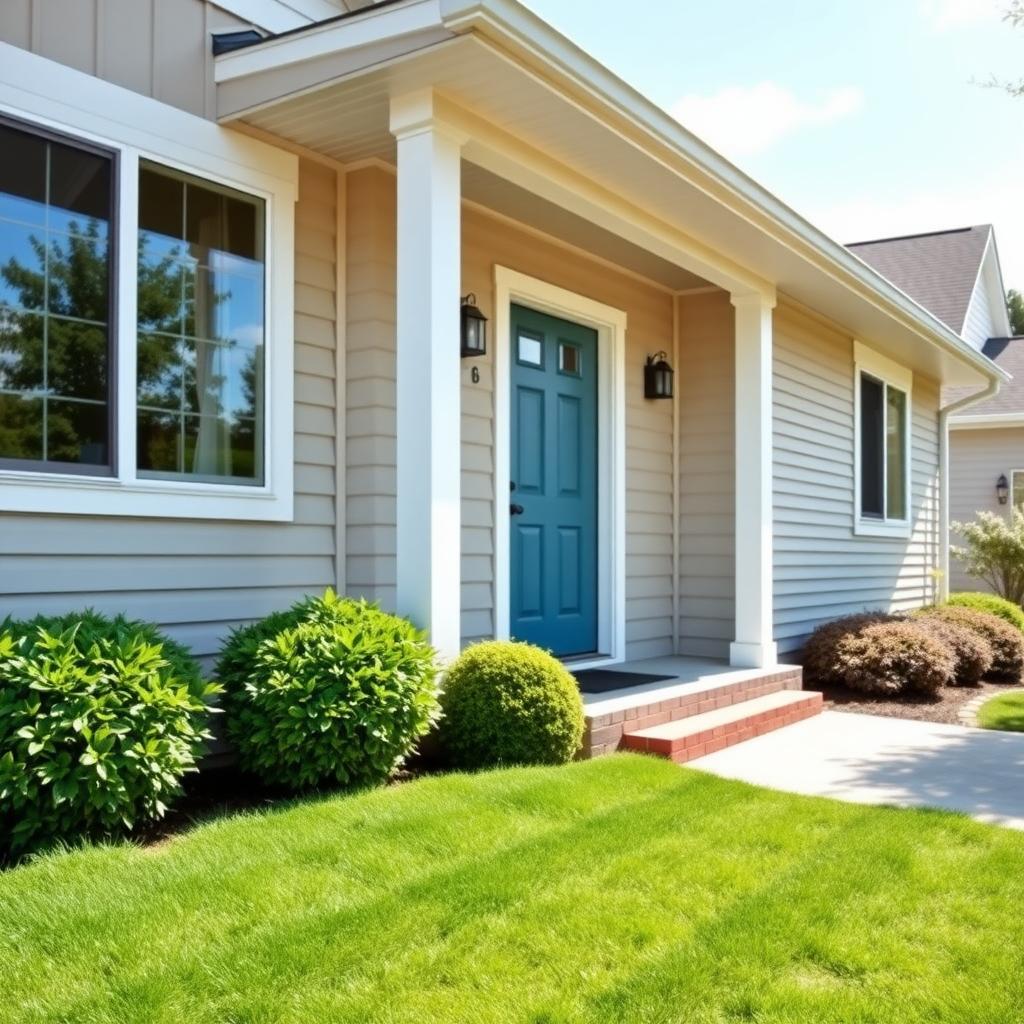
First impressions matter. The exterior of your home is the first thing an appraiser sees, so make it count. Mow the lawn, trim overgrown bushes, and remove any debris. A clean, welcoming exterior signals that the home is well-maintained. I once helped a family power-wash their driveway before an appraisal, and the appraiser commented on how polished the property looked.
If your siding or exterior paint is faded, consider a fresh coat of paint or a thorough cleaning. Repair any damaged fences or gates, and ensure walkways are free of cracks or tripping hazards. These small fixes can make a big difference in the appraiser’s perception.
Step 4: Ensure Systems Are Functional
FHA appraisers test the functionality of major systems like heating, cooling, and plumbing. Turn on your HVAC system to confirm it’s working properly. If it’s been a while since your last maintenance, schedule a professional inspection. I learned this the hard way when a friend’s AC unit failed during an appraisal, causing a delay.
Check that all appliances included in the sale are operational. For example, if the stove or dishwasher is staying with the home, make sure they work. Also, verify that water heaters are up to code and properly strapped, especially in earthquake-prone areas.
Step 5: Declutter and Clean
A cluttered home can make it hard for appraisers to assess the property. Clear out excess furniture, personal items, and junk to make rooms feel spacious and accessible. I’ve seen appraisers struggle to inspect areas blocked by clutter, which can lead to a negative impression.
Deep clean every room, focusing on kitchens and bathrooms. Scrub tiles, clean grout, and polish fixtures. A spotless home not only looks better but also shows the appraiser that you care about maintenance.
Step 6: Document Repairs and Upgrades
Keep a record of all repairs and improvements you’ve made. Receipts, permits, and before-and-after photos can demonstrate your commitment to maintaining the property. When I helped a relative prepare for an appraisal, we created a folder with documentation that impressed the appraiser and streamlined the process.
If you’ve made significant upgrades, like replacing the roof or updating the electrical system, point these out to the appraiser. While they won’t increase the home’s value directly, they can reassure the appraiser that the home meets FHA standards.
Step 7: Be Present but Not Overbearing
On appraisal day, it’s okay to be home, but give the appraiser space to work. Answer any questions they have, but avoid hovering. I’ve found that offering a quick walkthrough to point out recent repairs can be helpful, but then step back to let them do their job.
If you’re selling your home, ensure pets are secured and the home is accessible. Remove any obstacles, like locked gates or cluttered hallways, to make the appraiser’s job easier.
Common Mistakes to Avoid
Many homeowners make simple mistakes that can complicate the appraisal. Here’s a table of pitfalls and how to avoid them:
| Mistake | How to Avoid |
|---|---|
| Ignoring minor repairs | Fix small issues like leaky faucets or broken tiles before the appraisal. |
| Overlooking safety hazards | Install smoke detectors and repair handrails. |
| Cluttering the home | Declutter and clean thoroughly to make the home accessible. |
| Not addressing exterior issues | Maintain the lawn and repair exterior damage. |
| Skipping documentation | Keep records of repairs to show the appraiser. |
Final Tips for Success
Before the appraisal, do a final walkthrough to ensure everything is in order. Check that all lights work, windows open smoothly, and doors lock properly. If you’re unsure about meeting FHA standards, consider hiring a home inspector for a pre-appraisal check. This can catch issues you might have missed.
For more details on FHA requirements, check the U.S. Department of Housing and Urban Development (HUD) website. Their guidelines are a great resource for understanding what appraisers look for.
Summary
Preparing your home for an FHA appraisal doesn’t have to be stressful. By focusing on safety, addressing common issues in FHA appraisals, and keeping your home clean and functional, you can set yourself up for success. With these steps, you’ll be well on your way to securing your FHA mortgage and moving forward with your home sale or purchase.


