Overview
Your debt-to-income (DTI) ratio is a critical factor when applying for an FHA mortgage. It shows lenders how much of your income goes toward debt payments, helping them assess your ability to manage a new loan. Understanding Debt-to-Income Ratios - https://www.myfico.com/credit-education/debt-to-income-ratio can make or break your FHA loan eligibility. This article dives deep into what DTI means, how it’s calculated, and how to increase FHA loan approval chances with practical, real-world strategies.
What Is a Debt-to-Income Ratio?
Imagine you’re balancing a budget with a limited paycheck. Your DTI ratio is like a snapshot of how much of that paycheck is already spoken for by bills. It’s the percentage of your gross monthly income (before taxes) that goes toward paying debts, like credit cards, car loans, or student loans. Lenders use this number to gauge whether you can handle a mortgage payment on top of your existing obligations.
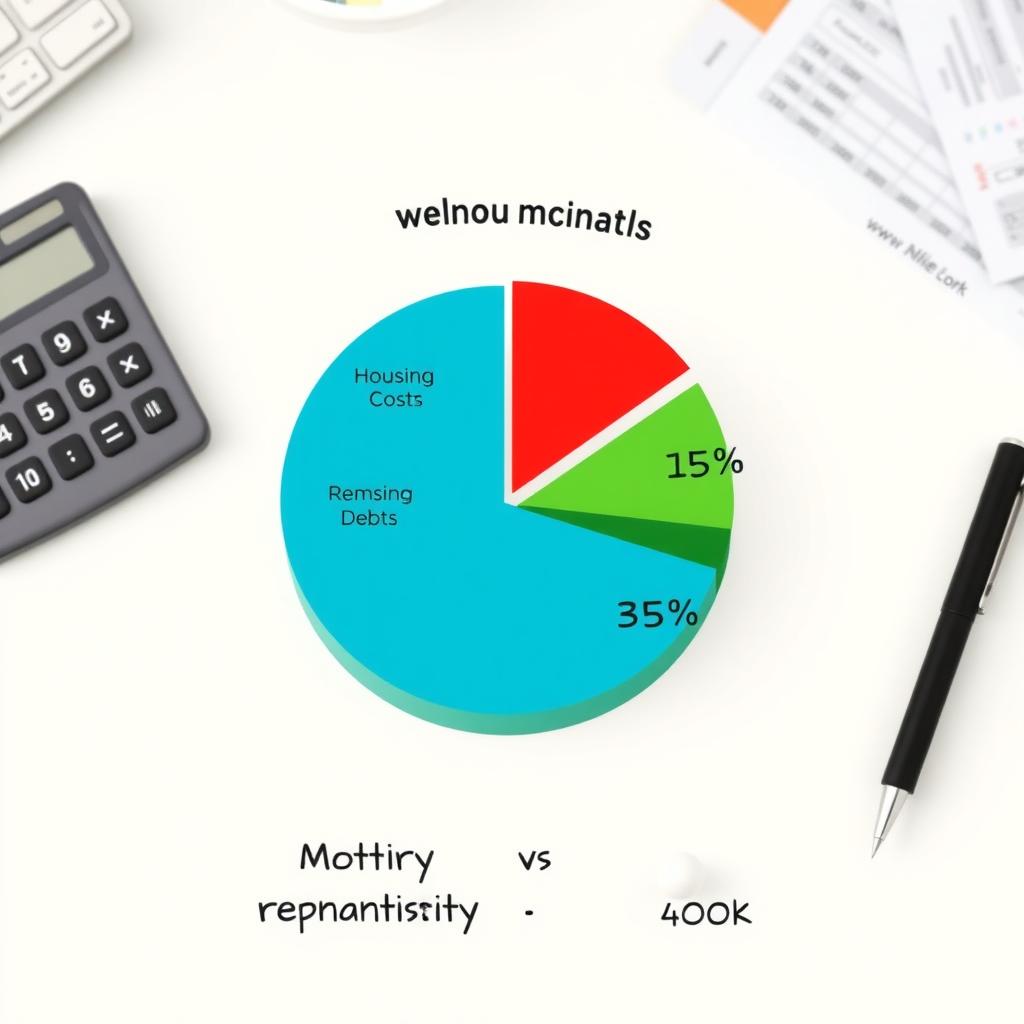
For an FHA mortgage, your DTI is split into two types: front-end and back-end. The front-end DTI focuses only on housing costs, like your potential mortgage payment, property taxes, and insurance. The back-end DTI includes all debts, such as credit cards, auto loans, and student loans, plus housing costs. According to the Federal Housing Administration, a back-end DTI of 43% or less is typically required, though some lenders allow up to 50% with strong compensating factors, like a high credit score or cash reserves.
Why DTI Matters for FHA Loan Eligibility
When I first applied for a home loan, I was surprised at how much my DTI affected my approval chances. Lenders don’t just looknip at your credit score or down payment; they want to know you can juggle all your bills without stress. For an FHA loan, which is popular for first-time buyers due to its low down payment (as little as 3.5% with a 580 credit score), your DTI is a key indicator of financial health.
The FHA sets specific DTI limits to ensure borrowers can afford their mortgage. A front-end DTI of 31% or less and a back-end DTI of 43% or less are standard, but flexibility exists. For example, a borrower with a 620 credit score and three months of cash reserves might qualify with a back-end DTI of 50%. This leniency makes FHA loans accessible, but it also means you need to understand your financial picture clearly. Check out the FHA’s official guidelines for detailed eligibility criteria.
How to Calculate Your DTI
Calculating your DTI is simpler than it sounds. Here’s a step-by-step guide:
- Add up monthly debt payments: Include minimum credit card payments, car loans, student loans, child support, and your estimated mortgage payment (principal, interest, taxes, insurance, and any HOA fees).
- Determine gross monthly income: Use your pre-tax income from all sources, like wages, bonuses, or alimony.
- Divide and multiply: Divide your total monthly debt by your gross monthly income, then multiply by 100 to get a percentage.
For example, if you pay $1,000 in debts (car loan: $300, credit card: $200, student loan: $500) and earn $5,000 monthly, your DTI is ($1,000 ÷ $5,000) × 100 = 20%. If you’re eyeing an FHA mortgage, add your estimated housing costs to the debt total for the back-end DTI. The Consumer Financial Protection Bureau offers a handy DTI calculator to simplify this process.

How to Increase FHA Loan Approval Chances
A high DTI can feel like a roadblock, but I’ve seen friends and clients turn things around with a few smart moves. Here are practical ways to improve your DTI and boost your FHA loan eligibility:
- Pay down high-interest debt: Focus on credit cards or loans with high monthly payments. Even paying off a small balance can lower your DTI significantly. For instance, reducing a $500 credit card balance with a $50 monthly payment can drop your DTI by a percentage point or two.
- Increase your income: A side hustle or raise can help. When I started freelancing part-time, it bumped my income enough to lower my DTI from 45% to 38%, making me a stronger candidate.
- Choose a less expensive home: A lower mortgage payment reduces your front-end DTI. Shopping for a home with lower property taxes or no HOA fees also helps.
- Get a co-signer: FHA loans allow non-occupant co-signers, like a parent, to add their income to your application, lowering the DTI. Just ensure they understand the responsibility.
- Build compensating factors: A credit score above 580, cash reserves, or a large down payment (10% or more) can offset a higher DTI. The U.S. Department of Housing and Urban Development explains how these factors work in FHA underwriting.
Common Mistakes to Avoid
I’ve made my share of financial missteps, and I’ve seen others do the same when applying for an FHA mortgage. Here’s what to watch out for:
- Taking on new debt: Avoid big purchases, like a car, before applying. A new $400 monthly car payment could push your DTI over the limit.
- Ignoring small debts: Even a $50 minimum credit card payment counts. Review your credit report for accuracy, as errors can inflate your DTI.
- Overlooking housing costs: Property taxes and insurance vary by location. A home with high taxes could tip your front-end DTI above 31%.
- Not getting pre-approved: Pre-approval clarifies your budget and DTI limits. It’s a step I skipped once, only to waste time on homes I couldn’t afford.
The Federal Reserve offers insights on managing debt to avoid these pitfalls.

DTI Limits for Other Loan Types
FHA loans are forgiving compared to other mortgages. Conventional loans often cap back-end DTI at 36%–45%, with Freddie Mac and Fannie Mae allowing up to 50% in some cases. VA loans may allow DTIs as high as 60% with strong credit, while USDA loans typically cap at 41%. Knowing these differences helped me decide that an FHA mortgage was my best bet when my DTI was 42%. If your DTI is above 43%, an FHA loan’s flexibility could be your ticket to homeownership.
Final Thoughts
Understanding Debt-to-Income Ratios - https://www.myfico.com/credit-education/debt-to-income-ratio is crucial for anyone pursuing an FHA mortgage. By calculating your DTI, reducing debt, and leveraging compensating factors, you can significantly increase FHA loan approval chances. Take control of your finances, get pre-approved, and shop smartly for a home that fits your budget. With a solid plan, you’ll be closer to owning your dream home.


