Overview: What Is a Home Inspection?
Buying a home is a huge step, and the home inspection process is a key part of it. Whether you're a first-time homebuyer or using an FHA loan, understanding what happens during a home inspection can save you time, money, and stress. This guide breaks down The Home Inspection Process Explained in simple terms, with practical tips to help you prepare and make informed decisions.
Why Home Inspections Matter
A home inspection is like a health checkup for a house. It’s a thorough review by a professional inspector who examines the property’s condition, from the roof to the foundation. For first-time homebuyers, especially those applying for an FHA mortgage, inspections are critical. They help uncover issues that could affect the home’s value or safety, ensuring you don’t end up with costly surprises after closing.
When I bought my first home, I was nervous about the inspection. I didn’t know what to expect, and the idea of hidden problems scared me. But the inspector walked me through everything, pointing out small issues like a leaky faucet and bigger concerns like outdated wiring. That experience taught me how valuable a good inspection is—it’s your chance to know exactly what you’re buying.

Step-by-Step: The Home Inspection Process Explained
Here’s a clear breakdown of what happens during a home inspection, so you know what to expect:
-
Hiring an Inspector: Start by choosing a licensed, experienced home inspector. Ask for recommendations from your real estate agent or check reviews on sites like the American Society of Home Inspectors (ASHI). For FHA loans, ensure the inspector is familiar with FHA loan requirements, as these loans have specific standards for property conditions.
-
Scheduling the Inspection: Inspections typically happen after your offer is accepted but before closing. Coordinate with your agent to schedule it within the inspection contingency period, usually 7-10 days.
-
The Inspection Day: The inspector will spend 2-4 hours examining the home’s major systems—roof, plumbing, electrical, HVAC, and structure. You’re encouraged to attend so you can ask questions and see issues firsthand.
-
The Report: Within a day or two, you’ll get a detailed report with photos, descriptions of any issues, and recommendations for repairs. This report is your roadmap for negotiations or deciding whether to move forward.
What Inspectors Look For
Inspectors check for both major and minor issues. Here’s a quick list of key areas:
- Structural Integrity: Cracks in walls, foundation issues, or roof damage.
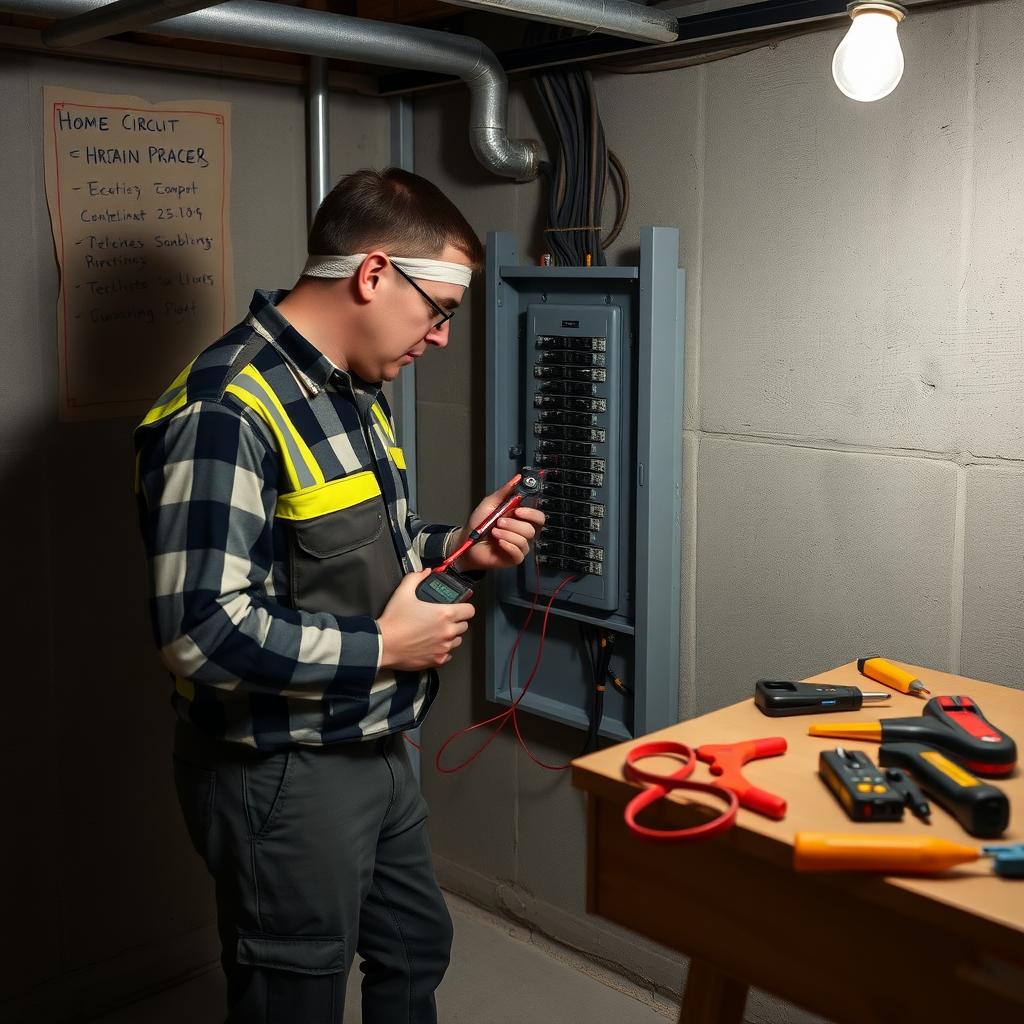
- Electrical Systems: Outdated wiring, faulty outlets, or unsafe panels.
- Plumbing: Leaks, water pressure, or aging pipes.
- HVAC: Furnace, air conditioning, and ventilation performance.
- Safety Hazards: Mold, asbestos, or missing smoke detectors.
For FHA loan requirements for first-time homebuyers, the home must meet minimum property standards, like functioning systems and no major safety issues. If the home doesn’t pass, repairs may be needed before closing.
Preparing for the Inspection
To make the process smooth, here’s how to prepare:
- Be Present: Attend the inspection if possible. It’s a chance to learn about the home and ask questions.
- Clear Access: Ensure the seller provides access to areas like the attic, basement, and electrical panels.
- Bring a Checklist: If you’re using an FHA loan, review the FHA loan documentation checklist to ensure the home meets standards. This might include verifying that there are no peeling paint or broken windows.
I remember rushing to my inspection without a plan, only to feel overwhelmed by the information. Next time, I’d bring a notebook to jot down the inspector’s comments and take my own photos for reference.
Common Issues Found During Inspections
No home is perfect, and inspections often uncover issues. Here are some common ones:
| Issue | Description | Potential Cost |
|---|---|---|
| Roof Leaks | Missing shingles or damaged flashing | $500-$5,000 |
| Electrical Problems | Outdated wiring or overloaded circuits | $1,000-$10,000 |
| Plumbing Leaks | Dripping pipes or faulty fixtures | $200-$2,000 |
| Foundation Cracks | Structural settling or water damage | $2,000-$20,000 |
For FHA loans, issues like these must be fixed to meet FHA loan requirements. Sellers may agree to repairs, or you can negotiate a lower price to cover costs.
How Inspections Impact FHA Loans
If you’re applying for an FHA mortgage, the inspection process is even more critical. FHA loans have strict guidelines to ensure the home is safe and livable. Here’s a quick FHA loan documentation checklist for inspections:
- No Major Safety Hazards: Smoke detectors must work, and there can’t be exposed wiring.
- Functional Systems: Heating, plumbing, and electrical systems must be operational.
- No Peeling Paint: Especially in homes built before 1978, due to lead paint concerns.
- Appraisal Alignment: The FHA appraiser may also inspect the property, so the home must meet both inspection and appraisal standards.
If issues are found, you may need to negotiate repairs or find another property. My friend once lost a dream home because the seller wouldn’t fix major FHA-required repairs. It was tough, but it taught her to prioritize homes that meet these standards upfront.

Negotiating After the Inspection
The inspection report is your leverage for negotiations. If major issues are found, you have three options:
- Ask for Repairs: Request the seller fix specific problems, especially for FHA loans.
- Negotiate a Credit: Ask for a price reduction or closing cost credit to cover repair costs.
- Walk Away: If the issues are too severe, you can back out without losing your earnest money (if within the contingency period).
When I negotiated after my inspection, we asked for a $2,000 credit to fix a plumbing issue. The seller agreed, and it saved us from unexpected costs after moving in.
Tips for First-Time Homebuyers
Here are some actionable tips to make the inspection process easier:
- Hire a Specialist: For older homes, consider hiring a specialist for things like mold or foundation checks.
- Budget for Repairs: Set aside 1-2% of the home’s value for immediate fixes.
- Read the Report Carefully: Don’t skim the inspection report—review every detail.
- Talk to Your Lender: If using an FHA loan, confirm with your lender that the home meets fha loan requirements.
For more details on FHA loans, check resources like the U.S. Department of Housing and Urban Development (HUD) for official guidelines.
Summary: Your Path to a Confident Purchase
The Home Inspection Process Explained boils down to one goal: giving you peace of mind. By understanding what inspectors look for, preparing thoroughly, and using the report to negotiate, you can make a smart homebuying decision. For first-time homebuyers using an FHA mortgage, inspections are non-negotiable to meet FHA loan requirements for first-time homebuyers. Take your time, ask questions, and use the process to protect your investment.


