A Quick Overview
Buying your first home feels exciting yet overwhelming. State Assistance Programs for First-Time Homebuyers offer down payment aid and low-interest loans to ease the burden. This guide breaks it down simply, shares real tips, and helps you understand costs. Get ready to turn 'someday' into today—in just a few steps.

What Are State Assistance Programs for First-Time Homebuyers?
Imagine saving thousands on your down payment. That's the magic of State Assistance Programs for First-Time Homebuyers. These programs come from state housing agencies and federal partners. They help people like you—folks who haven't owned a home in three years or more—afford that first step.
I remember chatting with my neighbor, Sarah. She was a single mom stressing over rent hikes. A state program in her area covered 5% of her down payment. Suddenly, stability was within reach. These initiatives vary by state but share a goal: make homeownership fairer.
Most programs target moderate-income buyers. You might qualify if your household earns up to 80% of your area's median income. They offer grants, forgivable loans, or matched savings. No need to repay if you stay put for a set time, like five years.
Take Florida, for example. Their Florida Hometown Heroes Program gives up to $35,000 in assistance for essential workers. Or check FHA's down payment grants nationwide, which pair with low-down-payment loans. Always verify with your state's housing finance agency.
How to Find and Apply for These Programs
Start local. Visit your state's housing website or HUD's state page. Search 'first-time homebuyer assistance [your state]' for tailored options.
Once you spot a program, gather docs: pay stubs, tax returns, and ID. Many require homebuyer education—a quick online course on budgeting and maintenance. It's eye-opening; one session taught me to factor in utilities before signing.
Apply through approved lenders. They handle the mortgage application and layer on the assistance. Pro tip: Get pre-approved first. It shows sellers you're serious.
| Common State Program Types | Description | Example Benefit |
|---|---|---|
| Down Payment Grants | Forgivable cash help | Up to $10,000 no repayment |
| Low-Interest Loans | Reduced rates for first mortgages | 3-4% vs. market 6% |
| Tax Credits | Deduct from state taxes | $500-2,000 credit |
| Matched Savings | State matches your deposits | Double your savings in 3 years |
Programs evolve, especially in 2025 with rising rates. Some states boosted funds post-pandemic via the Homeowner Assistance Fund. Act fast—funds deplete quickly.
Understanding Closing Costs: A Simple Guide
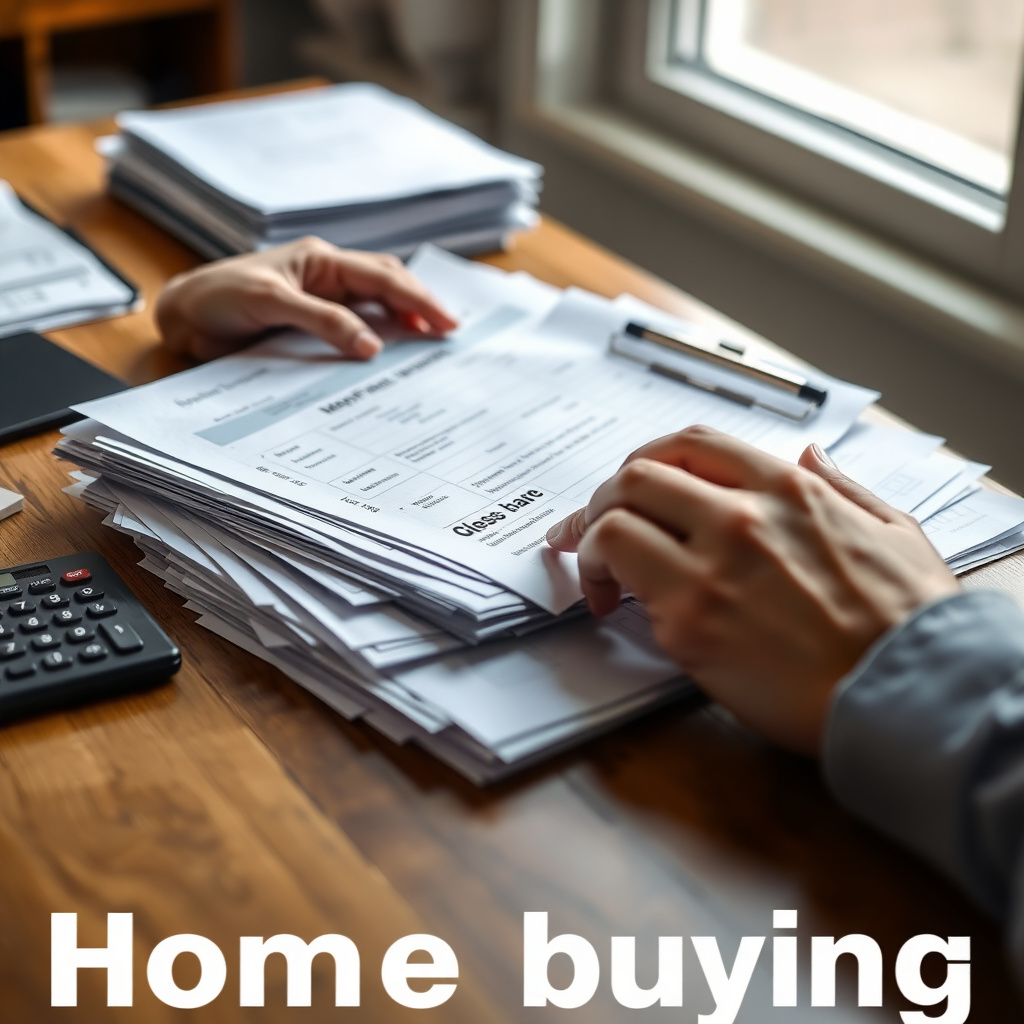
Closing day sneaks up with extra fees. Understanding Closing Costs: A Simple Guide starts here: Expect 2-5% of your loan amount. For a $300,000 home, that's $6,000-$15,000. Ouch, right? But knowledge cuts surprises.
These cover lender work, inspections, and legal bits. My friend overlooked them and scrambled last minute. Don't be that person—budget early.
Break it down: - Appraisal Fee: $300-500. Proves the home's worth. - Title Insurance: $1,000-2,000. Protects against ownership disputes. - Origination Fees: 0.5-1% of loan. Lender's processing charge.
And don't forget escrow for taxes and insurance—ongoing but prepaid at closing.
Mortgage application fees fit here too. Lenders charge $300-500 to review your info. It's non-refundable, so shop lenders. Some waive it for strong credit. During your mortgage application, ask for a Loan Estimate form. It lists all fees upfront—federal law requires it within three days.
| Closing Cost Category | Typical Range | Who Pays? |
|---|---|---|
| Lender Fees (appraisal, credit check) | $500-1,500 | Buyer |
| Title & Settlement | $1,000-3,000 | Buyer |
| Prepaid Items (taxes, insurance) | Varies | Buyer |
| Government Recording | $50-200 | Buyer/Seller |
State programs often cover part of these. In Orange County, Florida, down payment aid includes closing help up to $25,000. Negotiate with sellers too—they might chip in 3%.
Tips for First-Time Homebuyers: Real Advice That Works
Tips for First-Time Homebuyers saved me from rookie mistakes. First: Check your credit. Aim for 620+ for best rates. Pull free reports at AnnualCreditReport.com and fix errors months ahead.
Save aggressively. Target 3-20% down, plus reserves. Cut coffee runs; stash $200 monthly in a high-yield account.

Get pre-approved before house hunting. It sets your budget and strengthens offers. I skipped this once—lost a bid to a cash buyer.
Hire pros: A buyer's agent costs nothing (sellers pay). They spot red flags like leaky roofs.
Here's a 6-month roadmap: 1. Month 1-2: Boost credit, save, take education class. 2. Month 3: Pre-approve, list must-haves (e.g., 3 beds, yard). 3. Month 4-5: Tour homes, make offers. 4. Month 6: Inspect, close.
In 2025, watch rates— they fluctuate. Lock in when they dip.
Budget beyond the mortgage. Add 1% yearly for maintenance. Tools like NerdWallet's calculator help simulate payments.
Personal story: My cousin ignored inspections. $5,000 roof fix post-close. Always inspect—and negotiate repairs.
For mortgage application, prepare: Stable job (2+ years), low debt (under 43% ratio). Explain gaps honestly—life happens.
Shop three lenders. Compare APRs, not just rates. It could save thousands over 30 years.
Navigating Challenges in 2025
Markets shift. Inventory's low, prices high in hotspots. But opportunities exist—suburbs boom with remote work.
If denied assistance, appeal or try neighbors states. Programs like USDA rural loans fill gaps for low-down options.
Emotional side: It's normal to doubt. Talk to mentors or forums. Reddit's r/FirstTimeHomeBuyer shares raw stories. You're not alone.
Wrapping It Up: Your Path to Keys in Hand
State Assistance Programs for First-Time Homebuyers open doors wide. Pair them with smart planning on closing costs and solid tips—you're set. Remember, homeownership builds wealth and roots. Start small: Visit HUD's homebuyer resources today. You've got this—soon, you'll toast in your new kitchen.


