Fixed vs. Adjustable-Rate Mortgages: Which Is Right for You?
Choosing a mortgage shapes your financial future. This guide breaks down fixed-rate and adjustable-rate options, helping you pick the best one for your needs. We'll cover basics, pros, cons, and key factors in simple terms.
Quick Overview
Fixed-rate mortgages keep your interest rate steady for the entire loan term, offering predictable payments. Adjustable-rate mortgages start with a lower rate that can change over time based on market conditions. Your choice depends on your plans, risk tolerance, and current mortgage rates.
Understanding Fixed-Rate Mortgages
A fixed-rate mortgage locks in your interest rate from day one. Whether you choose a 15-year or 30-year term, your monthly payment for principal and interest stays the same. This stability makes budgeting easier.
I remember when I bought my first home. I went with a fixed-rate mortgage because I wanted peace of mind. No surprises each month helped me sleep better at night.
These loans suit people who plan to stay in their home long-term. They protect you if rates rise in the future. According to Freddie Mac, fixed rates have averaged around 6-7% in recent years, but check current figures for accuracy Freddie Mac Primary Mortgage Market Survey.

Pros of Fixed-Rate Mortgages
- Predictable Payments: You always know what to expect.
- Protection from Rate Increases: If market rates go up, yours stays put.
- Easier Budgeting: Great for families with steady incomes.
Cons of Fixed-Rate Mortgages
- Higher Initial Rates: Often start higher than adjustable options.
- Less Flexibility: If rates drop, you might need to refinance to save.
In my experience, the pros outweighed the cons during uncertain economic times.
What Are Adjustable-Rate Mortgages?
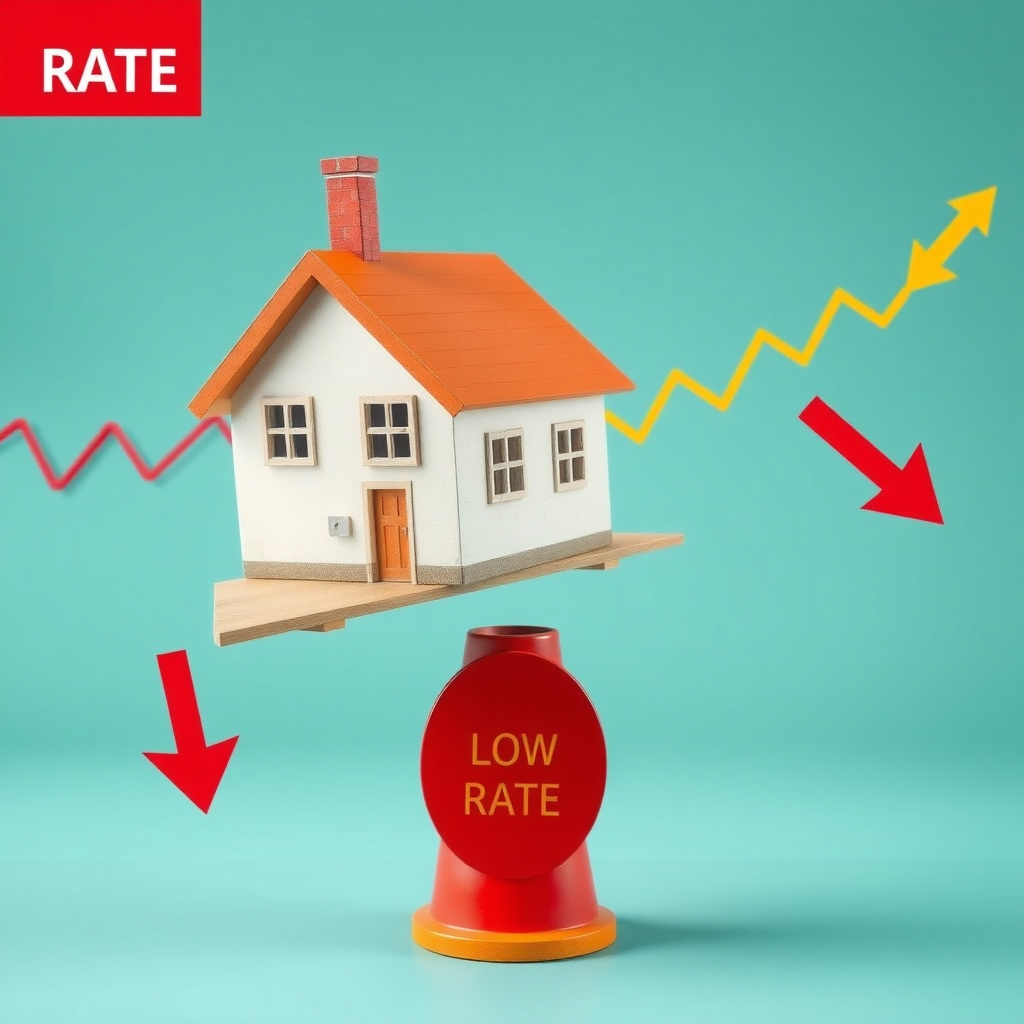
An adjustable-rate mortgage, or ARM, begins with a fixed rate for an initial period—often 5, 7, or 10 years. After that, the rate adjusts periodically based on an index like the Secured Overnight Financing Rate (SOFR).
This can lead to lower or higher payments over time. ARMs appeal to those expecting to move or refinance before adjustments kick in.
A friend of mine chose an ARM when rates were high, betting they'd fall. It worked out, but it's not for everyone. Always consider the worst-case scenario.
Pros of Adjustable-Rate Mortgages
- Lower Starting Rates: Save money early on.
- Potential for Lower Payments: If rates drop, so might yours.
- Good for Short-Term Owners: Ideal if you plan to sell soon.
Cons of Adjustable-Rate Mortgages
- Payment Uncertainty: Rates could rise, increasing costs.
- Complexity: Understanding caps and indexes takes effort.
- Risk in Rising Markets: Could strain your budget.
Weigh these carefully. ARMs saved my friend thousands initially, but he monitored rates closely.
Key Differences Between Fixed and Adjustable-Rate Mortgages
Here's a quick comparison:
| Feature | Fixed-Rate Mortgage | Adjustable-Rate Mortgage |
|---|---|---|
| Rate Stability | Locked for entire term | Fixed initially, then adjusts |
| Initial Rate | Usually higher | Often lower |
| Best For | Long-term homeowners | Short-term stays or rate drops |
| Risk Level | Low | Higher due to changes |
This table highlights why fixed vs. adjustable-rate mortgages: which is right for you? depends on your situation.
Factors to Consider When Choosing
Your decision hinges on several elements. First, think about how long you'll stay in the home. If it's over 7-10 years, fixed might be safer.
Next, assess your risk tolerance. Can you handle potential payment hikes? If not, stick with fixed.
Consider your income stability. Steady jobs favor fixed; variable incomes might benefit from ARM's lower start.
Don't forget closing costs and fees. ARMs sometimes have lower upfront costs.
Personally, I advise running scenarios. Use online calculators from sites like Bankrate to see potential outcomes Bankrate Mortgage Calculator.
Factors That Affect Mortgage Rates
Mortgage rates fluctuate due to various influences. Economic conditions play a big role—strong growth often pushes rates up.
The Federal Reserve's policies impact rates indirectly. When they raise benchmark rates to curb inflation, mortgage rates tend to follow.
Your personal factors matter too: credit score, down payment size, and debt-to-income ratio. A higher score can shave points off your rate.
Market trends, like bond yields, also affect rates. For current insights, check the Consumer Financial Protection Bureau CFPB Mortgage Rates.
In my view, improving your credit before applying is a smart move. It once helped me secure a better deal.
Real-Life Insights and Tips
Let's get personal. When I helped my sister shop for a mortgage, we compared options. She chose fixed because she values predictability amid job changes.
Actionable tip: Get pre-approved. It shows sellers you're serious and locks in a rate temporarily.
Another: Shop around. Lenders vary; comparing three quotes can save thousands.
If rates drop after you lock in a fixed mortgage, consider refinancing—but watch fees.
For ARMs, understand the adjustment caps. These limit how much your rate can change each period or over the loan's life.
Remember, no mortgage is one-size-fits-all. Consult a financial advisor for tailored advice.
Wrapping It Up
In the debate of fixed vs. adjustable-rate mortgages: which is right for you?, it boils down to your plans and comfort with change. Fixed offers stability; adjustable provides initial savings but with risks. Review factors that affect mortgage rates and your finances before deciding. This choice impacts your wallet for years—choose wisely.


