Overview
Saving for a down payment can feel like climbing a mountain, but with the right strategies, it’s an achievable goal. Whether you’re dreaming of your first home or upgrading to a larger space, this guide offers practical tips to help you save effectively and navigate options like the FHA mortgage pre-approval process.
Why Saving for a Down Payment Matters
A down payment is the initial cash you pay toward a home’s purchase price, typically ranging from 3% to 20%. For a $300,000 home, that’s $9,000 to $60,000—a significant sum! A larger down payment can lower your monthly mortgage payments and even help you secure better loan terms. When I saved for my first home, the process taught me discipline and the value of planning. It’s not just about money; it’s about building a foundation for your future.
The good news? Programs like FHA mortgages make homeownership accessible with lower down payment requirements, sometimes as low as 3.5%. Understanding these options early can shape your saving strategy and get you into your home faster.
Setting a Realistic Savings Goal
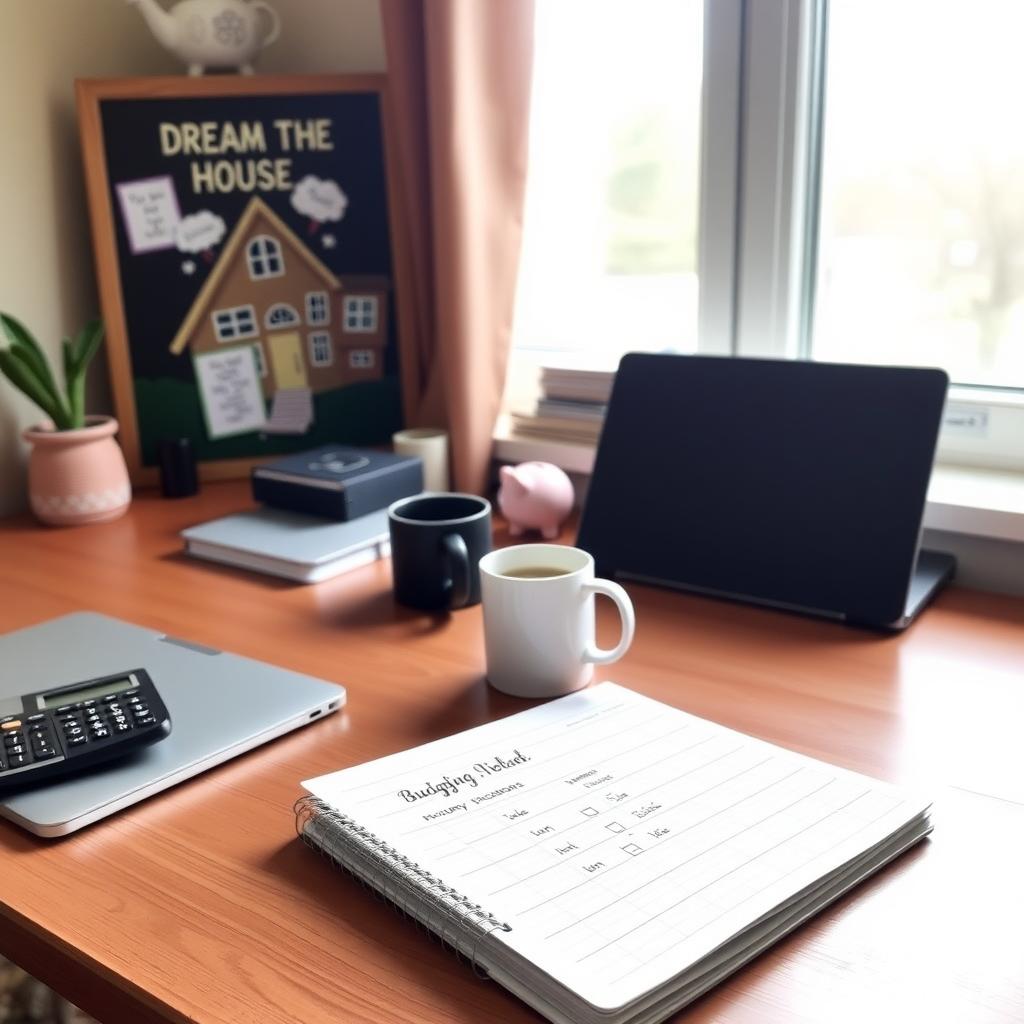
Start by determining how much you need. Research home prices in your desired area to estimate your target. For example, if you’re eyeing a $250,000 home and qualify for an FHA mortgage, you might need $8,750 (3.5%). Don’t forget closing costs, which can add 2-5% of the home price.
Here’s how to set your goal: - Check your credit score: A higher score can qualify you for better loan terms. Visit AnnualCreditReport.com for a free report. - Estimate your timeline: Want to buy in two years? Divide your target by 24 months to find your monthly savings goal. - Factor in other costs: Moving expenses and home maintenance can add up, so plan for a small emergency fund.
When I started saving, I used a simple spreadsheet to track my progress. Seeing the numbers grow each month kept me motivated, even when I had to skip a few coffee runs.
Smart Saving Strategies
Saving for a down payment requires discipline, but small changes can make a big difference. Here are proven strategies:
- Create a Dedicated Savings Account: Open a high-yield savings account for your down payment. According to the Federal Reserve, these accounts can offer better interest rates, helping your money grow faster.
- Automate Your Savings: Set up automatic transfers to your savings account each payday. This “pay yourself first” approach ensures you save before spending.
- Cut Non-Essential Expenses: Review your budget for subscriptions, dining out, or unused gym memberships. Redirect those funds to your down payment.
- Boost Your Income: Consider a side hustle, like freelancing or ridesharing. I sold handmade crafts online, which added $200 a month to my savings.
- Use Windfalls Wisely: Tax refunds, bonuses, or gifts can give your savings a quick boost. Resist the urge to splurge!

Exploring FHA Mortgage Options
For many first-time buyers, an FHA mortgage is a game-changer. Backed by the Federal Housing Administration, these loans require lower down payments and are more lenient on credit scores. Here’s what you need to know:
- FHA Mortgage Pre-Approval Process: Getting pre-approved shows sellers you’re serious and helps you understand your budget. You’ll need to provide income, debt, and credit information. The process typically takes a few days to a week, according to the U.S. Department of Housing and Urban Development.
- FHA Appraisal: An FHA appraisal ensures the home meets safety and value standards. It’s more thorough than a standard appraisal, so budget for the cost (around $300-$500).
- Benefits: Lower down payments and competitive interest rates make FHA mortgages attractive. However, you’ll need to pay mortgage insurance premiums.
When I applied for an FHA loan, the pre-approval process gave me clarity on what I could afford. It also made my offer stand out in a competitive market.
Budgeting Tips for Success
A solid budget is the backbone of saving for a down payment. Here’s a simple plan:
| Category | Percentage of Income | Example ($3,000/month) |
|---|---|---|
| Housing (current rent) | 30% | $900 |
| Savings (down payment) | 20% | $600 |
| Living Expenses | 30% | $900 |
| Debt Repayment | 10% | $300 |
| Emergency Fund | 10% | $300 |
Adjust these percentages based on your income and goals. Apps like Mint or YNAB can help track your spending.
I found that reviewing my budget weekly helped me stay on track. It’s like checking your GPS to make sure you’re still headed toward your destination.
Overcoming Common Challenges
Saving isn’t always smooth sailing. Here are common hurdles and how to tackle them:
- High Rent: If rent eats up your income, consider a roommate or moving to a cheaper area temporarily.
- Debt: Pay down high-interest debt first to free up more money for savings. The Consumer Financial Protection Bureau offers tools to prioritize debt.
- Unexpected Expenses: Build a small emergency fund ($500-$1,000) to avoid dipping into your down payment savings.
- Motivation Slumps: Create a vision board or set milestones (e.g., celebrate every $1,000 saved) to stay focused.
I hit a rough patch when my car needed repairs, but having a small emergency fund saved my down payment from taking a hit. It’s all about planning for the unexpected.
Leveraging Down Payment Assistance Programs
Many states and local governments offer down payment assistance, especially for first-time buyers. These programs provide grants or low-interest loans, often paired with FHA mortgages. Check with your state’s housing authority or visit HUD’s resource page to find options. Eligibility often depends on income, location, or profession (e.g., teachers or veterans).
A friend of mine received a $10,000 grant through a local program, which covered most of her FHA down payment. It’s worth researching what’s available in your area.
Summary
Saving for a down payment is a journey that requires planning, discipline, and smart strategies. By setting clear goals, budgeting wisely, and exploring options like FHA mortgages, you can turn your homeownership dream into reality. Start small, stay consistent, and don’t be afraid to seek out assistance programs or professional advice to guide you.


