Overview: Why Home Inspections Matter
Buying a home is one of the biggest decisions you’ll ever make. Before you sign on the dotted line, a home inspection can save you from costly surprises. The Importance of Home Inspections lies in their ability to reveal hidden problems, ensure safety, and give you peace of mind. Whether you're a first-time buyer or applying for an FHA mortgage, this step is non-negotiable.
What Is a Home Inspection?
A home inspection is a thorough evaluation of a property’s condition, conducted by a licensed professional. It covers everything from the roof to the foundation, checking for structural issues, electrical problems, plumbing leaks, and more. Think of it as a health checkup for your future home. I remember my first home purchase—nervous but excited, I almost skipped the inspection to save time. Thankfully, a friend convinced me otherwise, and the inspector found a faulty electrical panel that could’ve cost thousands to fix.
Inspections typically take 2-4 hours, depending on the home’s size and age. The inspector provides a detailed report, often with photos, highlighting any issues. This report becomes your roadmap for negotiations or repairs. For those learning how to apply for an FHA mortgage, inspections are especially critical, as lenders require the home to meet specific safety and livability standards.

Why Home Inspections Are Essential
Protect Your Investment
Homes are expensive, and surprises like a leaking roof or cracked foundation can drain your savings. An inspection uncovers these issues before you buy, letting you negotiate repairs or a lower price. In my second home purchase, the inspection revealed termite damage the seller hadn’t disclosed. We negotiated a $5,000 price reduction, which covered the treatment costs.
Ensure Safety
Safety is non-negotiable. Faulty wiring, mold, or gas leaks can endanger your family. Inspectors check for these hazards, ensuring the home is safe to live in. This is especially important for FHA loan requirements, which mandate that homes meet strict safety standards. If the home doesn’t pass, the seller may need to make repairs before closing.
Plan for Future Costs
Even if a home is in great shape, an inspection can highlight future maintenance needs. For example, an aging HVAC system might work now but need replacement in a few years. Knowing this upfront helps you budget. My neighbor skipped an inspection and was shocked with a $10,000 HVAC replacement bill two years later.
How Home Inspections Tie Into FHA Mortgages
If you’re wondering how to apply for an FHA mortgage, a home inspection is a key step. While not always mandatory, most lenders strongly recommend it to ensure the home meets FHA loan requirements. These loans, backed by the Federal Housing Administration, are popular for first-time buyers due to lower down payments and flexible credit requirements. However, the home must pass an FHA appraisal, which includes a basic safety and habitability check.
An inspection can help you avoid buying a home that won’t qualify for an FHA mortgage. For example, issues like peeling paint (a lead hazard), broken windows, or a damaged roof can cause the home to fail the appraisal. By identifying these problems early, you can ask the seller to fix them or move on to another property.
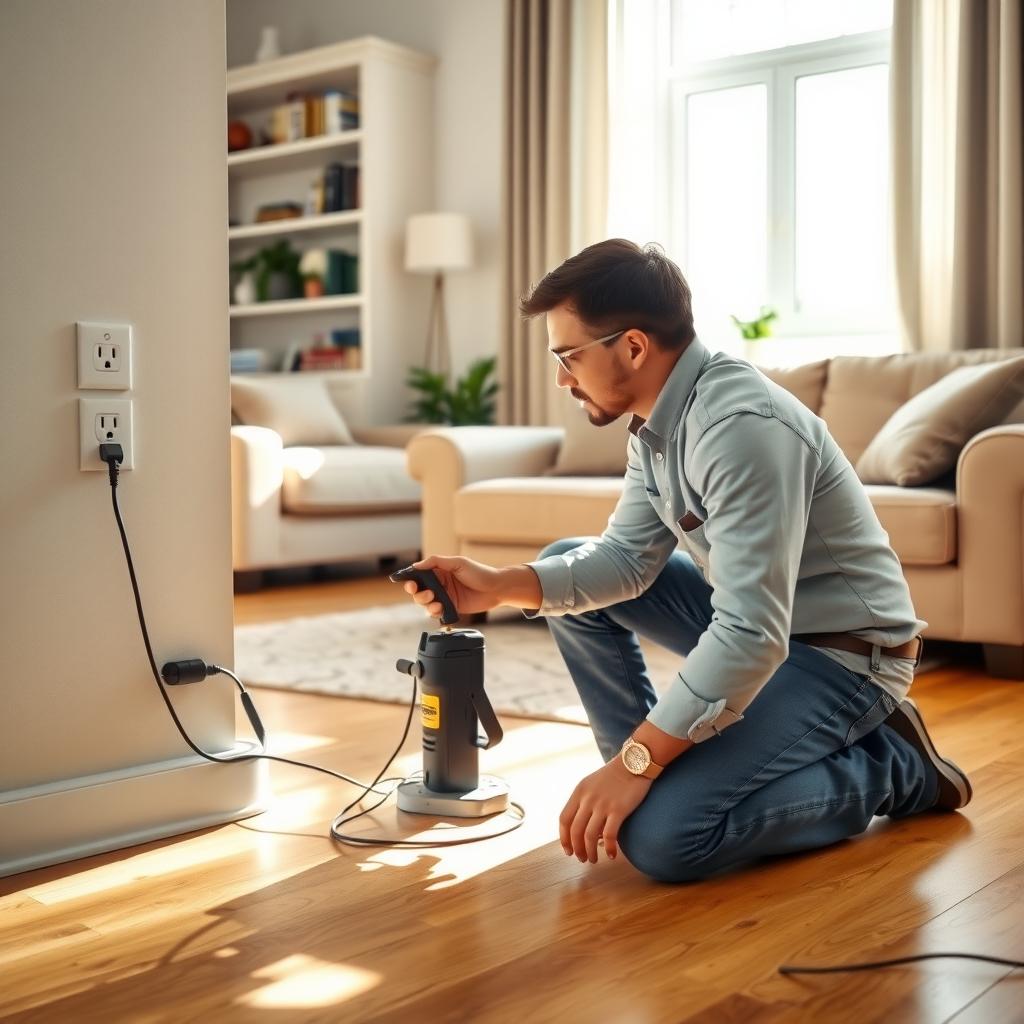
What Does a Home Inspection Cover?
A standard home inspection includes several key areas. Here’s a quick breakdown:
| Area | What’s Checked |
|---|---|
| Structure | Foundation, walls, roof for cracks or damage |
| Electrical | Wiring, outlets, panels for safety and function |
| Plumbing | Pipes, faucets, water heater for leaks or issues |
| HVAC | Heating and cooling systems for efficiency |
| Exterior | Siding, windows, drainage for wear or damage |
| Interior | Floors, ceilings, doors for functionality |
Some inspections may also include optional tests, like radon or mold checks, depending on your area or concerns. Always ask your inspector what’s included and consider add-ons for peace of mind.
Choosing the Right Inspector
Not all inspectors are equal. Look for someone licensed, insured, and experienced. Check reviews on sites like Angi or ask for recommendations from your real estate agent. I once hired an inspector based solely on price, and their report was vague, missing key issues. Lesson learned: quality matters. Ask for a sample report to ensure it’s detailed and clear.
Attend the inspection if possible. Walking through the home with the inspector gives you a firsthand look at any issues and lets you ask questions. I found this invaluable during my last purchase—it helped me understand the home’s quirks and plan repairs.
Using Inspection Results
Once you have the report, you have three main options: 1. Negotiate Repairs: Ask the seller to fix major issues, like a leaky roof or faulty wiring. 2. Request a Price Reduction: If repairs are costly, negotiate a lower purchase price. 3. Walk Away: If the issues are too severe, you can back out, especially if you’re using an FHA mortgage and the home won’t meet FHA loan requirements.
Discuss the report with your real estate agent to decide the best path. For FHA buyers, share the findings with your lender to ensure the home aligns with loan standards. In my experience, clear communication with the seller led to fair negotiations and a smoother closing.

Common Myths About Home Inspections
Myth 1: New Homes Don’t Need Inspections
Even brand-new homes can have issues, like improper wiring or plumbing leaks. I know a couple who bought a new build and later found a poorly installed water heater that caused flooding. An inspection could’ve caught it.
Myth 2: Inspections Are Too Expensive
The average inspection costs $300-$500, a small price compared to the thousands you could spend on unexpected repairs. For FHA mortgage buyers, this cost is a smart investment to ensure the home meets loan standards.
Myth 3: Inspections Delay the Process
While inspections take a few hours, they don’t significantly slow down closing. Most can be scheduled within a week, and the insight they provide can speed up negotiations by clarifying issues upfront.
Summary: Don’t Skip the Inspection
The Importance of Home Inspections cannot be overstated. They protect your wallet, ensure your safety, and help you make an informed decision. For those navigating how to apply for an FHA mortgage, inspections are a critical step to meet FHA loan requirements and avoid costly surprises. By investing in a quality inspection, you’re setting yourself up for a confident, stress-free home purchase.


