Overview
Getting ready for an FHA appraisal can feel overwhelming, but with the right steps, you can make the process smooth and stress-free. An FHA appraisal is a key part of securing an FHA mortgage, ensuring the home meets safety and quality standards. This guide walks you through how to prepare for an FHA appraisal with practical tips and insights.
What Is an FHA Appraisal?
An FHA appraisal is more than just a home valuation. It’s a thorough inspection required by the Federal Housing Administration (FHA) to ensure a property meets minimum safety, security, and livability standards before approving an FHA mortgage. Unlike a standard appraisal, which focuses primarily on market value, an FHA appraisal checks for issues like structural integrity, health hazards, and overall condition.
For example, when my cousin bought her first home with an FHA loan, she was surprised to learn the appraiser flagged a peeling paint issue. It wasn’t just cosmetic—it was a potential lead hazard. This dual focus on value and safety makes preparing for an FHA appraisal critical.
Why Preparation Matters
Failing an FHA appraisal can delay or derail your home purchase or refinance. The appraiser’s report influences whether the lender approves your FHA mortgage, so addressing potential issues beforehand is key. Preparation also shows the appraiser you’ve taken the process seriously, which can set a positive tone.
According to the U.S. Department of Housing and Urban Development (HUD), the appraisal ensures the property is a sound investment for both the borrower and the lender. By preparing, you reduce the risk of costly repairs or renegotiations after the appraisal.

Step-by-Step Guide to Preparing for an FHA Appraisal
Here’s a clear, actionable plan to get your home ready for an FHA appraisal. Follow these steps to address the most common issues appraisers look for.
1. Focus on Curb Appeal
First impressions matter. Appraisers start their evaluation from the outside, so a tidy exterior is essential. Mow the lawn, trim bushes, and clear debris from walkways. Peeling paint or damaged siding can raise red flags, especially if the home was built before 1978, due to lead paint concerns.
Tip: Repaint exterior surfaces if needed. My neighbor learned this the hard way when her appraiser required a full exterior repaint before approval.
2. Ensure Safety Features Are Functional
FHA appraisals prioritize safety. Check that smoke detectors, carbon monoxide detectors, and fire extinguishers are installed and working. Handrails on stairs and decks are non-negotiable—if they’re loose or missing, fix them.
Checklist: - Install smoke detectors in every bedroom and hallway. - Test carbon monoxide detectors. - Secure loose handrails with sturdy brackets.
3. Address Structural Issues
The appraiser will inspect the roof, foundation, and walls for damage. Leaky roofs, cracked foundations, or water damage can lead to a failed appraisal. If you suspect issues, hire a professional to assess and repair them before the appraisal.
For instance, when I helped a friend prepare for her FHA appraisal, we discovered a small roof leak. Fixing it early saved her from a costly delay.
4. Fix Plumbing and Electrical Systems
FHA standards require functional plumbing and electrical systems. Check for leaks, faulty wiring, or exposed outlets. If you’re unsure, a licensed plumber or electrician can identify problems.
The National Association of Realtors notes that electrical issues are among the top reasons for FHA appraisal failures. Simple fixes, like replacing outdated outlets, can make a big difference.
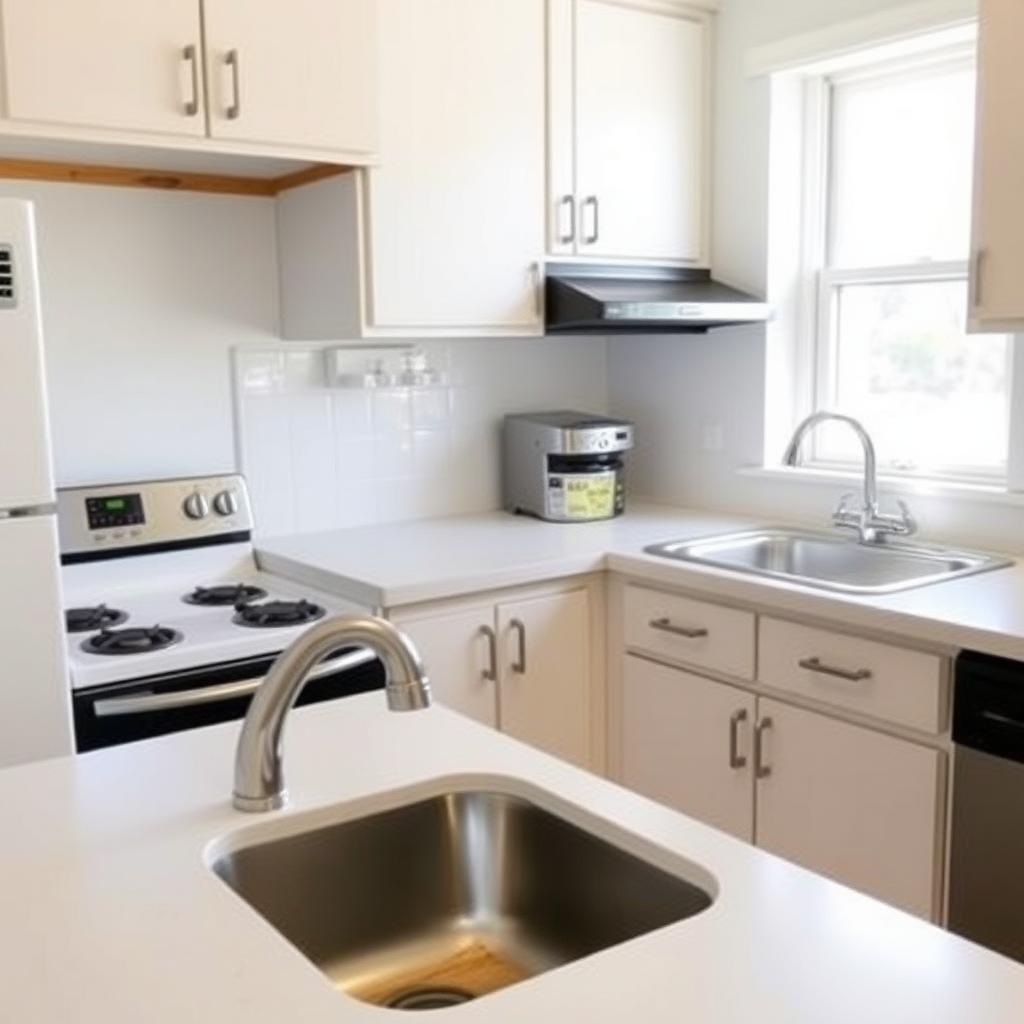
5. Remove Health Hazards
FHA appraisals are strict about health risks like mold, asbestos, or lead-based paint. If your home is older, test for these issues. Mold in basements or bathrooms is a common problem that can be addressed with proper cleaning or professional remediation.
Pro Tip: Use a dehumidifier in damp areas to prevent mold growth before the appraisal.
6. Clean and Declutter
A cluttered home can make it hard for the appraiser to assess the property. Clean every room, organize storage spaces, and remove excess furniture. A tidy home not only looks better but also signals that it’s well-maintained.
When my sister prepared for her appraisal, she rented a storage unit for extra items. It made her small home feel spacious and inviting.
7. Provide Access to All Areas
Appraisers need to inspect every part of the property, including attics, crawlspaces, and garages. Ensure these areas are accessible and free of clutter. Locked doors or blocked spaces can lead to an incomplete appraisal, which delays the process.
Common FHA Appraisal Pitfalls to Avoid
Even with preparation, some issues can catch homeowners off guard. Here are common mistakes and how to avoid them:
| Issue | Solution |
|---|---|
| Peeling paint | Repaint surfaces, especially in pre-1978 homes. |
| Broken windows | Replace or repair before the appraisal. |
| Missing utilities | Ensure water, gas, and electricity are on during the appraisal. |
| Unpermitted additions | Disclose and resolve any unpermitted work with local authorities. |
The FHA’s Minimum Property Standards outline these requirements in detail. Reviewing them can help you spot potential issues early.

What to Expect During the Appraisal
The appraisal typically takes 1-2 hours, depending on the home’s size. The appraiser will walk through the interior and exterior, take photos, and note any issues. Be prepared for them to check utilities, appliances, and safety features. If you’re present, stay out of their way but be available to answer questions.
My cousin made the mistake of hovering during her appraisal, which distracted the appraiser. Let them work independently for the best results.
How to Handle Appraisal Issues
If the appraiser flags problems, don’t panic. You’ll receive a report detailing the issues, and you can usually fix them within a set timeframe. Work with your lender to address concerns quickly. For example, my friend’s roof issue required a contractor’s estimate and a quick repair, but it didn’t derail her loan.
If the appraised value comes in lower than expected, you may need to renegotiate with the seller or cover the difference. The Consumer Financial Protection Bureau offers guidance on handling low appraisals, which can be a helpful resource.
Summary
Preparing for an FHA appraisal doesn’t have to be daunting. By focusing on safety, structural integrity, and cleanliness, you can increase your chances of passing with flying colors. Address potential issues like peeling paint, faulty systems, or clutter before the appraiser arrives. With these steps, you’ll be well on your way to securing your FHA mortgage and moving into your dream home.


