Overview
Buying your first home is exciting but daunting. The financial side—saving, budgeting, and choosing the right loan—can feel overwhelming. This guide on Budgeting Basics for Future Homeowners breaks it down into simple, actionable steps. From saving for a down payment to understanding mortgage terms, we’ll help you navigate the process with confidence.
Why Budgeting Matters for Future Homeowners
Saving for a home isn’t just about stashing cash away. It’s about understanding your finances, setting realistic goals, and making smart choices. When I started planning to buy my first home, I was clueless about where to begin. I had a decent job, but my savings were scattered, and I wasn’t sure how much I needed. Budgeting became my roadmap. It helped me see where my money was going and how to redirect it toward my goal.
A solid budget gives you control. It’s not about cutting out every coffee shop visit—it’s about prioritizing what matters. For most future homeowners, the big priorities are saving for a down payment, managing debt, and preparing for mortgage payments.

How to Save for a Down Payment on Your First Home
The down payment is often the biggest hurdle for first-time buyers. Most lenders require 3-20% of the home’s purchase price. For a $300,000 home, that’s $9,000 to $60,000. It sounds like a lot, but with a plan, it’s achievable.
Here’s how to get started:
- Set a Clear Goal: Research home prices in your area to estimate your down payment. Aim for at least 10% to keep mortgage insurance costs low.
- Create a Dedicated Savings Account: Open a high-yield savings account just for your down payment. This keeps your funds separate and earns a bit of interest.
- Automate Savings: Set up automatic transfers to your savings account each payday. Even $100 a month adds up over time.
- Cut Non-Essentials: Look at your spending. Can you skip takeout a few times a week? Cancel unused subscriptions? Small changes make a big difference.
- Boost Income: Consider a side hustle. I started freelancing on weekends, and it added $500 a month to my savings.
For example, if you save $500 a month for five years at a 2% interest rate, you’ll have about $31,200. That’s enough for a 10% down payment on a $300,000 home, plus some closing costs.
Sample Monthly Budget for Home Savings
Here’s a simple budget template for a single earner making $4,000 a month after taxes:
| Category | Amount |
|---|---|
| Rent | $1,200 |
| Groceries | $300 |
| Utilities | $150 |
| Transportation | $200 |
| Entertainment | $100 |
| Debt Payments | $300 |
| Down Payment Savings | $500 |
| Emergency Fund | $100 |
| Other (clothes, etc.) | $150 |
| Total | $3,000 |
This leaves $1,000 for unexpected expenses or additional savings. Adjust based on your income and needs.

Exploring Home Loan Options for First-Time Buyers
Once you’ve got a savings plan, it’s time to think about financing. Exploring Home Loan Options for First-Time Buyers can feel like wading through a maze, but it’s manageable if you break it down. Here are the main types of loans:
- Conventional Loans: These are standard loans from private lenders. They often require a 5-20% down payment and a good credit score (620 or higher).
- FHA Loans: Backed by the Federal Housing Administration, these are great for first-timers with lower credit scores (as low as 580) or smaller down payments (3.5%).
- VA Loans: For veterans or active-duty military, these offer no down payment and competitive rates.
- USDA Loans: For rural or suburban buyers, these loans require no down payment but have income and location restrictions.
When I was shopping for loans, I found FHA loans appealing because my credit wasn’t perfect. But I also compared conventional loans, which had lower fees in the long run. Check with multiple lenders to compare rates and terms. Websites like Bankrate (https://www.bankrate.com/mortgages/) can help you compare options.
Understanding Mortgage Term Length Options
The mortgage term—how long you’ll repay the loan—affects your monthly payments and total interest. Common mortgage term length options are:
- 15-Year Mortgage: Higher monthly payments but lower interest rates and less total interest paid. Great if you can afford it.
- 30-Year Mortgage: Lower monthly payments but higher interest over time. This is the most popular for first-time buyers.
- Other Terms: Some lenders offer 10-, 20-, or even 40-year terms, but they’re less common.
For example, on a $250,000 loan at 6% interest:
| Term | Monthly Payment | Total Interest Paid |
|---|---|---|
| 15-Year | $2,110 | $129,800 |
| 30-Year | $1,498 | $289,500 |
I chose a 30-year term because it fit my budget, but I plan to make extra payments when possible to reduce interest. Use a mortgage calculator (like the one at https://www.nerdwallet.com/mortgages/mortgage-calculator) to test different scenarios.
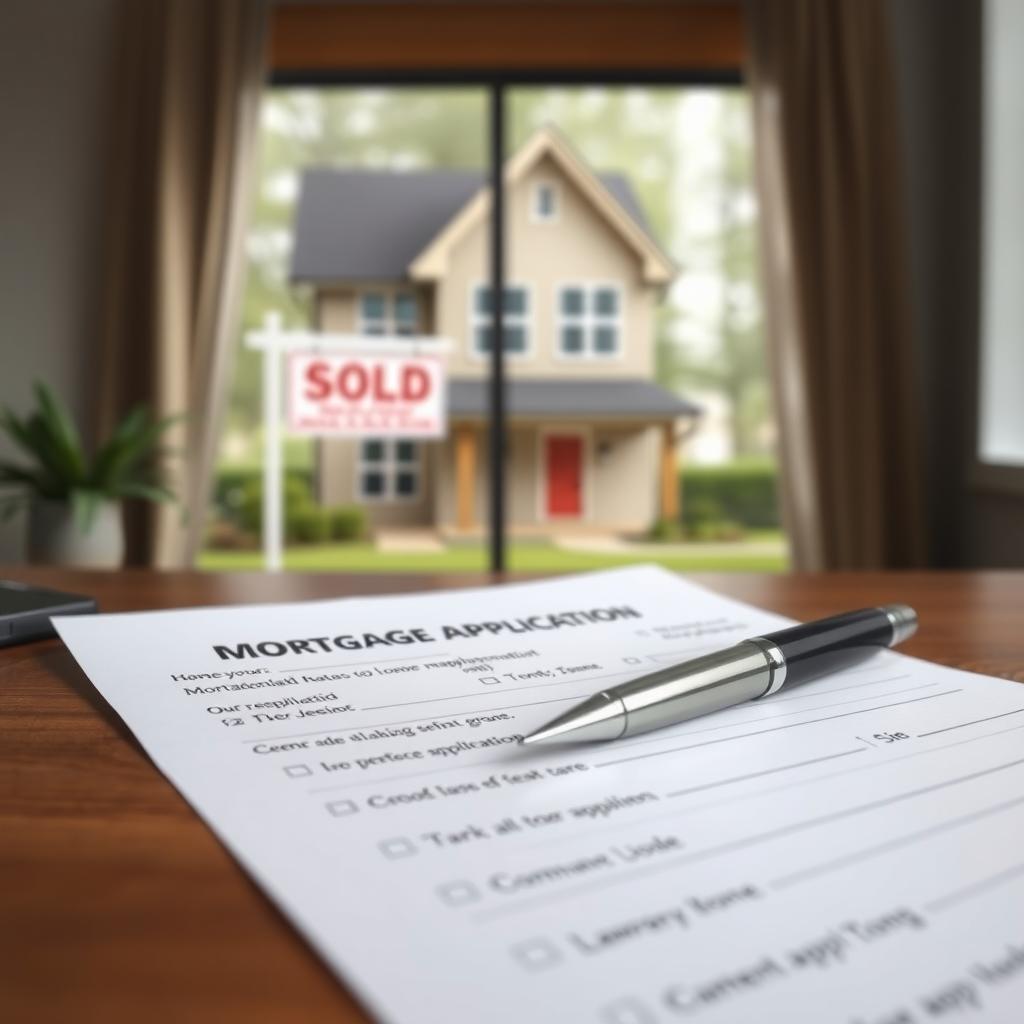
Managing Debt and Improving Credit
Your credit score and debt-to-income (DTI) ratio are huge factors in getting approved for a mortgage. Aim for a credit score of 620 or higher and a DTI below 43%. Here’s how to improve both:
- Pay Down Debt: Focus on high-interest debts like credit cards. I paid off a $2,000 card balance, and my score jumped 30 points.
- Check Your Credit Report: Use AnnualCreditReport.com to spot errors. Dispute any inaccuracies.
- Pay Bills on Time: Even one late payment can hurt your score.
- Avoid New Debt: Don’t take out loans or open new credit cards while saving for a home.
A friend of mine ignored her student loan payments, thinking they wouldn’t matter. Her DTI was too high, and she was denied a loan. Stay on top of your debts early.
Additional Costs to Budget For
Beyond the down payment and mortgage, other costs can sneak up:
- Closing Costs: 2-5% of the home price ($4,000-$10,000 for a $200,000 home).
- Home Maintenance: Budget 1-2% of the home’s value annually for repairs.
- Property Taxes and Insurance: These vary by location but can add hundreds to your monthly payment.
I underestimated closing costs and had to dip into my emergency fund. Always have a buffer.
Summary
Becoming a homeowner starts with smart budgeting. By mastering Budgeting Basics for Future Homeowners, you can save for a down payment, choose the right loan, and understand mortgage term length options. Start small, stay consistent, and keep your goal in sight. With planning, your dream home is within reach.


