Overview
A home appraisal is a critical step in buying or refinancing a home, especially when applying for an FHA mortgage. It determines the property’s market value to ensure it meets the lender’s standards and protects your investment. This guide explains what to expect during a home appraisal, how it ties to FHA loans, and how to prepare effectively.
Why Home Appraisals Matter
When you’re buying a home, the appraisal confirms the property’s worth matches the loan amount. For an FHA mortgage, this step is non-negotiable. The Federal Housing Administration (FHA) requires appraisals to ensure the home is safe, sound, and worth the price. A low appraisal can halt your loan approval, while a solid one keeps the process moving.
I remember my first home purchase. The appraisal felt like a mysterious hurdle. Would the appraiser notice the outdated kitchen? Would the neighbor’s messy yard drag down the value? Knowing what to expect during a home appraisal eased my nerves and helped me prepare.
What Happens During a Home Appraisal?
An appraisal is an unbiased evaluation by a licensed professional. The appraiser visits the property, assesses its condition, and compares it to similar homes (called 'comps') in the area. Here’s a breakdown of the process:
- Exterior Inspection: The appraiser checks the home’s structure, roof, and yard. They note the size, condition, and any external factors like curb appeal or nearby amenities.
- Interior Inspection: They examine the layout, number of bedrooms, bathrooms, and overall condition. Upgrades like new flooring or appliances can boost value.
- Market Analysis: Using recent sales of comparable homes, the appraiser determines a fair market value.
- FHA-Specific Checks: For an FHA mortgage, the appraiser ensures the home meets strict safety and livability standards, like working plumbing and no peeling paint.

How Long Does an Appraisal Take?
The on-site visit typically lasts 30 minutes to an hour, depending on the home’s size. After the visit, the appraiser compiles a report, which can take a few days to a week. For FHA mortgages, the report includes extra details to confirm compliance with FHA standards.
My appraisal took about 45 minutes. The appraiser was friendly but thorough, checking everything from the attic to the basement. I was surprised how quickly the report came back—just three days later. Knowing the timeline helped me plan the next steps in my home-buying journey.
Preparing for the Appraisal
Preparation can make or break the appraisal process. A well-maintained home signals value, while clutter or repairs can lower the estimate. Here are actionable tips to get ready:
| Task | Why It Matters |
|---|---|
| Clean thoroughly | A tidy home looks well-cared-for, boosting perceived value. |
| Fix minor repairs | Leaky faucets or broken tiles can signal neglect. |
| Highlight upgrades | New appliances or a renovated bathroom can increase value. |
| Provide access | Ensure the appraiser can enter all areas, including attics or garages. |
| Share recent comps | If you know of high-value sales nearby, share them with your lender. |
Before my appraisal, I spent a weekend cleaning and fixing small issues, like a loose doorknob. I also left a list of recent upgrades, like our new HVAC system. The appraiser didn’t comment, but I felt confident I’d done everything to present the home well.
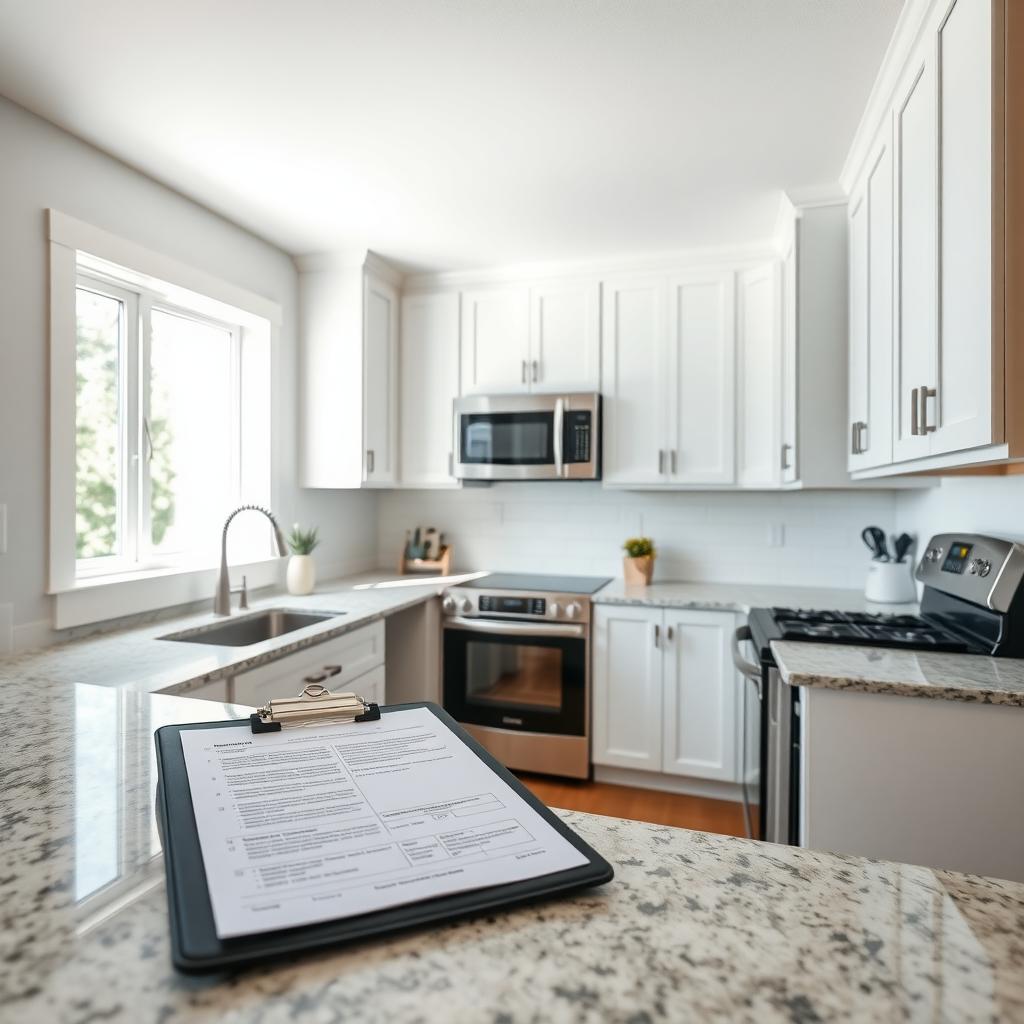
How Appraisals Impact FHA Mortgages
If you’re wondering how to apply for an FHA mortgage, the appraisal is a key step. FHA loans are popular for first-time buyers due to their low FHA down payment requirements (as low as 3.5%) and flexible credit standards. However, the home must pass the appraisal to qualify.
The FHA appraisal is stricter than conventional ones. Beyond valuing the home, the appraiser checks for health and safety issues, like faulty wiring or mold. If the home doesn’t meet FHA standards, you may need to negotiate repairs with the seller or find another property.
I applied for an FHA mortgage and was nervous about the appraisal. Our dream home had an older roof, which I worried wouldn’t pass. Thankfully, the seller agreed to replace it before closing, saving the deal. Understanding FHA requirements upfront made all the difference.
What If the Appraisal Comes in Low?
A low appraisal can feel like a gut punch. If the home’s value is less than the purchase price, your lender may not approve the full loan amount. Here’s what you can do:
- Negotiate with the Seller: Ask them to lower the price to match the appraisal.
- Challenge the Appraisal: Provide evidence of higher comps or errors in the report.
- Increase Your Down Payment: Cover the gap between the appraisal and purchase price.
- Walk Away: If the deal doesn’t make sense, you may need to find another home.
In my case, the appraisal matched the purchase price, but a friend wasn’t so lucky. Her dream home appraised $10,000 low. She negotiated with the seller, who split the difference, and they closed the deal. Being prepared for this scenario can save you stress.

Common Mistakes to Avoid
Appraisals can trip up even seasoned buyers. Here are pitfalls to steer clear of: - Over-improving: Don’t renovate just for the appraisal; focus on minor fixes. - Being Present: Avoid hovering during the appraisal to let the appraiser focus. - Ignoring FHA Rules: If applying for an FHA mortgage, ensure the home meets safety standards. - Skipping Research: Understand local market trends to anticipate the appraisal outcome.
How to Apply for an FHA Mortgage
If you’re considering an FHA mortgage, the appraisal is just one part of the process. Here’s a quick guide: 1. Check your credit score (minimum 580 for a 3.5% FHA down payment). 2. Find an FHA-approved lender. 3. Submit financial documents, like income and debt details. 4. Schedule the appraisal after your offer is accepted. 5. Close the loan once the appraisal and other requirements are met.
For more details, visit the FHA’s official website to understand eligibility and requirements.
Summary
A home appraisal is a pivotal moment in your home-buying journey, especially for an FHA mortgage. By understanding what to expect during a home appraisal, preparing your home, and knowing how to handle a low appraisal, you can navigate the process with confidence. With the right preparation, you’ll be one step closer to owning your dream home.


