Overview
Buying a home is exciting, but it can also feel overwhelming—especially when you hear terms like mortgage insurance. Don’t worry! This article breaks it down for you. We’ll cover Understanding Mortgage Insurance: What You Need to Know, with a special focus on FHA loans. Expect clear explanations, personal stories, and tips to help you decide what’s best for your homebuying journey.
What Is Mortgage Insurance?
Mortgage insurance is like a safety net for lenders. If you can’t pay your mortgage, it helps cover their losses. You’ll usually need it if your down payment is less than 20%. For many people, it’s the ticket to owning a home without saving up a huge pile of cash first. I remember my cousin stressing about this—she thought it was extra money down the drain, but it actually let her buy her first house with just 5% down!

Why Mortgage Insurance Matters
Lenders take a risk when they give you a loan. Mortgage insurance lowers that risk, so they’re more likely to say yes—even if your credit isn’t perfect or your savings are slim. It’s not for you directly, but it makes your dream home possible. Think of it as a small price for a big reward.
Types of Mortgage Insurance
Not all mortgage insurance is the same. Here’s a quick rundown: - Private Mortgage Insurance (PMI): For regular loans, kicks in with less than 20% down. You can drop it later. - FHA Mortgage Insurance: For FHA loans, it’s required no matter what. There’s an upfront fee and yearly payments. - VA Funding Fee: Veterans skip traditional insurance but pay this fee instead. - USDA Guarantee Fee: For rural buyers, it’s like FHA but cheaper yearly. Understanding Mortgage Types and Options helps you pick the right fit!
Diving Into FHA Loans
FHA loans are a game-changer for many. Backed by the government, they let you buy a home with as little as 3.5% down. They’re great if your credit score isn’t sky-high or you’re just starting out. I’ve seen friends choose FHA because it felt less intimidating than saving for 20%. But heads-up: you’ll pay mortgage insurance for the whole loan term unless you refinance.
FHA Loan Requirements
Wondering if you qualify? Here’s what you need for an FHA mortgage: - Credit Score: At least 500, but 580+ gets you that 3.5% down deal. - Debt-to-Income Ratio: Your debts shouldn’t eat up more than 43% of your income. - Job History: Two years of steady work. - Home Standards: The house has to pass an FHA appraisal. These FHA loan requirements aren’t too tough, but they’re strict about the property.

How to Apply for an FHA Mortgage
Ready to get started? Here’s the step-by-step: 1. Check Your Fit: Make sure you meet the basics—credit, income, job. 2. Find a Lender: Pick one approved for FHA loans (not all are!). 3. Gather Papers: Tax returns, pay stubs, bank statements—have them ready. 4. Apply: Fill out the forms with your lender. 5. Appraisal: The home gets checked by an FHA pro. 6. Review: The lender double-checks everything. 7. Close: Sign the papers and move in! How to apply for an FHA mortgage isn’t hard, but it takes some prep.
A Personal Take: My Friend’s FHA Journey
My buddy Mike went for an FHA loan last year. He was nervous—his credit was okay (around 600), and he only had 4% saved. The process took a few weeks, and the appraisal stressed him out because the house needed a small fix. But once it was done, he moved in and loves it. The insurance payments bug him a little, but he says it’s worth it to have his own place.

Pros and Cons of FHA Loans
Let’s weigh it out: Pros: - Low down payment (3.5% is doable!) - Easier credit rules - You can take over someone else’s loan - More wiggle room with debt Cons: - Insurance costs add up - Home has to meet strict rules - Loan caps depend on where you live - Long-term costs can be higher It’s a solid choice, but not perfect for everyone.
Other Mortgage Options
FHA isn’t your only path. Check these out: - Conventional Loans: Need better credit and more down, but no lifelong insurance. - VA Loans: For military folks—zero down, no insurance, just a fee. - USDA Loans: Rural buyers get no down payment and low fees. Understanding Mortgage Types and Options means knowing what works for you.
How Much Does Mortgage Insurance Cost?
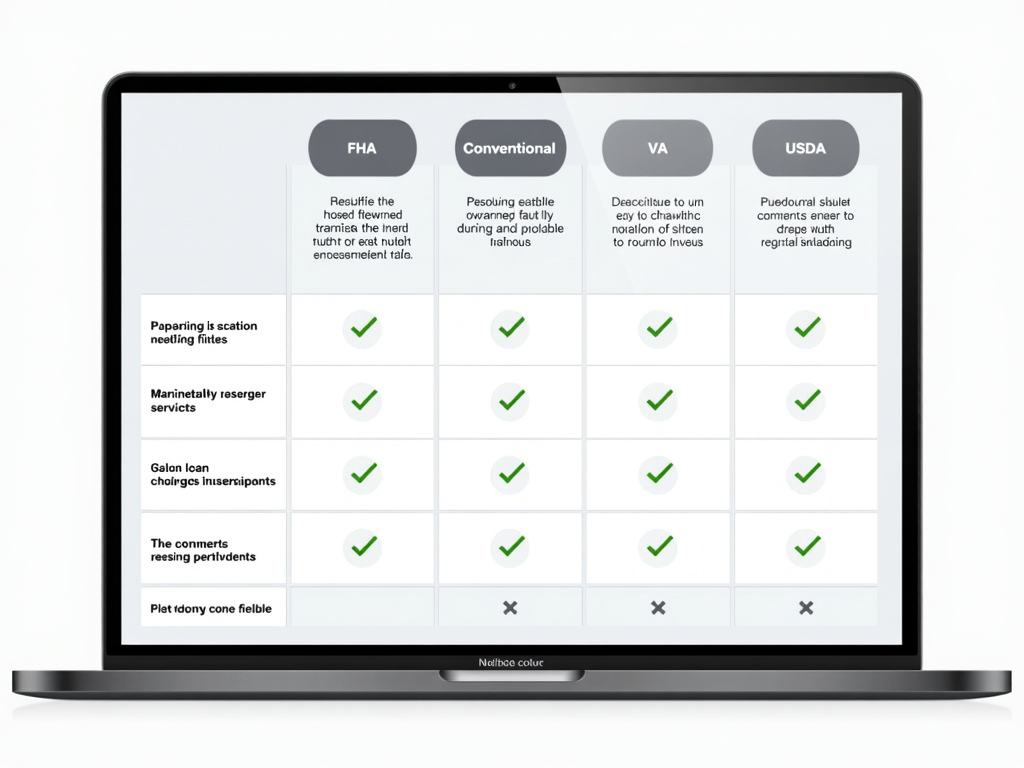
Costs depend on your loan: | Type | Upfront Cost | Annual Cost | |-----------------|--------------------|-------------------| | PMI | None | 0.5%-1% of loan | | FHA MIP | 1.75% of loan | 0.45%-1.05% | | VA Funding Fee | 1.4%-3.6% of loan | None | | USDA Fee | 1% of loan | 0.35% | These numbers can shift, so ask your lender for exact figures.
Tips to Skip Mortgage Insurance
Want to avoid it? Try these: - Save 20% Down: No PMI needed for conventional loans. - Piggyback Loan: Borrow a second chunk to hit 20% and skip insurance. - Lender-Paid Option: Pay a higher rate, and the lender covers it. - Go VA or USDA: If you qualify, these dodge traditional insurance. It’s all about planning ahead!

Final Thoughts
Understanding Mortgage Insurance: What You Need to Know is about seeing the big picture. It’s a tool that opens doors, especially with FHA loans. Sure, it costs extra, but for many—like Mike—it’s the key to homeownership. Think about your budget, your goals, and what you’re willing to pay long-term. Then, pick the option that feels right. Want more details? Check out the readings below!


