Improving your credit score is like giving yourself a financial makeover—it can open doors to better mortgage rates and make homeownership more affordable. If you’re aiming for an FHA loan, a higher credit score can be your ticket to lower interest rates and smoother approval. This guide will walk you through simple, actionable steps to boost your credit score, understand FHA loan requirements, and secure the best mortgage rate possible. Let’s dive in and make your dream home a reality!
Your credit score is like a financial report card—it tells lenders how reliable you are with borrowed money. For mortgages, especially FHA loans, this score can make or break your chances of getting a good deal. Here’s why:
- Lower Interest Rates: A higher credit score often means lower interest rates. Even a small difference in rates can save you thousands over the life of your loan. For example, on a $200,000 mortgage, a 1% lower rate could save you over $30,000 in interest.
- Easier Approval: FHA loans are more flexible than conventional loans, but they still have credit score requirements. A score of 580 or higher can qualify you for a 3.5% down payment, while scores between 500 and 579 require 10%.
- Better Loan Terms: Beyond rates, a good credit score can help you avoid extra fees or stricter terms that lenders might impose on riskier borrowers.
Improving your credit score isn’t just about numbers; it’s about giving yourself more options and better financial health.
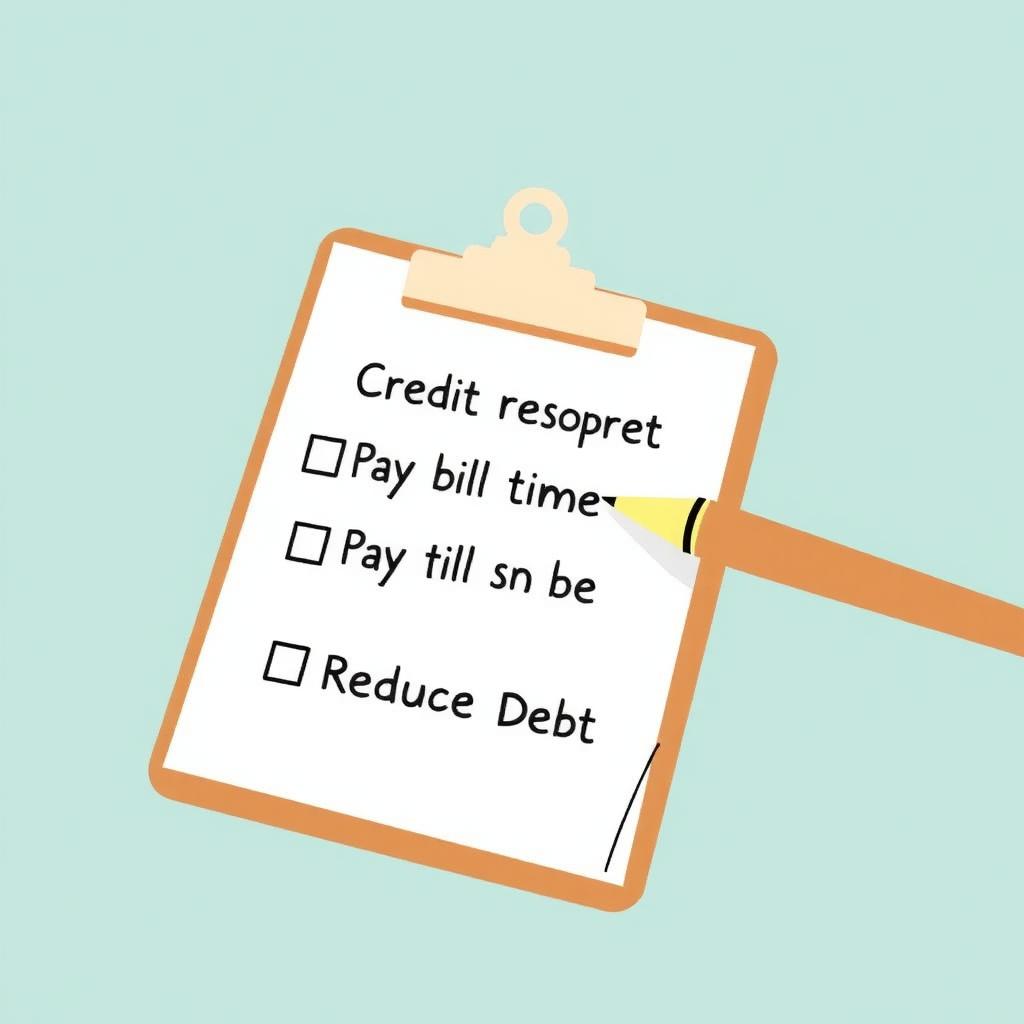

While your credit score is crucial, it’s not the only factor for FHA loan eligibility. Lenders also look at:
- Income Stability: A steady job or reliable income source is essential. Self-employed? You’ll need to show consistent earnings.
- Down Payment: Even with a low credit score, a larger down payment can improve your chances. FHA allows gift funds from family or assistance programs.
- Debt Management: A high DTI can be a red flag. Consider paying off smaller debts or consolidating to lower your ratio.
Think of your mortgage application as a puzzle—your credit score is a big piece, but it’s not the whole picture.
Applying for an FHA loan can feel overwhelming, but these tips can make the process smoother:
- Get Pre-Approved: This gives you a clear idea of your budget and shows sellers you’re serious.
- Work with an FHA-Approved Lender: Not all lenders offer FHA loans, so choose one with experience in this area.
- Prepare Documentation: Have your pay stubs, tax returns, and bank statements ready. The more organized you are, the faster the process.
- Consider a Co-Borrower: If your credit or income is borderline, a co-borrower with stronger finances can help.
These strategies can turn a daunting process into a manageable one. Remember, you’re not alone—lenders and real estate agents can guide you.
Let’s talk numbers. Here’s how different credit scores can affect your mortgage rate:
| Credit Score Range | Typical APR for FHA Loan |
|---|---|
| 720+ | 3.5% - 4.0% |
| 680-719 | 4.0% - 4.5% |
| 620-679 | 4.5% - 5.0% |
| 580-619 | 5.0% - 5.5% |
Note: These are estimates and can vary by lender and market conditions.
As you can see, even a 40-point difference can lead to a higher rate. That’s why every point counts when it comes to your credit score.
Improving your credit score for a better mortgage rate is a journey worth taking. It’s not just about getting approved—it’s about securing a loan that fits your budget and sets you up for long-term success. By following the steps outlined here, you can boost your score, navigate FHA loan requirements, and ultimately, unlock the door to your dream home.
Remember, every financial decision you make today shapes your tomorrow. Start small, stay consistent, and watch your credit—and your opportunities—grow.

FHA loans, backed by the Federal Housing Administration, help people buy homes with lower down payments and more flexible rules. They’re great for first-time buyers, but your credit score still plays a key role in FHA loan eligibility. Here’s a quick look at the basics:
- Credit Score: 580+ for 3.5% down; 500-579 for 10% down. Some lenders might ask for more.
- Debt-to-Income Ratio (DTI): Your debts shouldn’t eat up more than 43% of your income.
- Job History: Two years of steady work is ideal.
- Home Standards: The house must pass an FHA appraisal for safety and quality.
A friend of mine learned this the hard way. With a 570 score, she needed 10% down for an FHA loan. After a few months of credit cleanup, she hit 580 and saved thousands upfront.
Raising your credit score takes effort, but it’s doable. Here’s how to improve your credit score for a better mortgage rate:
- Check Your Credit Report: Grab free reports from Equifax, Experian, and TransUnion each year. Look for mistakes—like a bill marked late that you paid on time—and fix them.
- Pay On Time: Late payments hurt your score the most. I set calendar alerts for due dates; it’s simple and works.
- Cut Debt: Keep credit card balances under 30% of your limit. Paying off a $1,000 balance on a $3,000 limit card can lift your score fast.
- Skip New Credit: Applying for new cards can drop your score a bit. Focus on what you’ve got.
- Try a Secured Card: If your score’s low, use a secured card—pay a deposit, use it lightly, and pay it off monthly.
These steps worked for me when I prepped for my first home. In six months, my score jumped 50 points.

Applying for an FHA mortgage doesn’t have to stress you out. Try these:
- Get Pre-Approved: It shows your budget and makes sellers take you seriously.
- Pick the Right Lender: Use an FHA-approved one—check HUD’s lender list.
- Gather Papers: Pay stubs, tax returns, bank statements—have them ready.
- Add a Co-Borrower: If your finances are shaky, a partner with strong credit can help.
Pre-approval gave me peace of mind when house hunting. It’s like a roadmap for what you can afford.
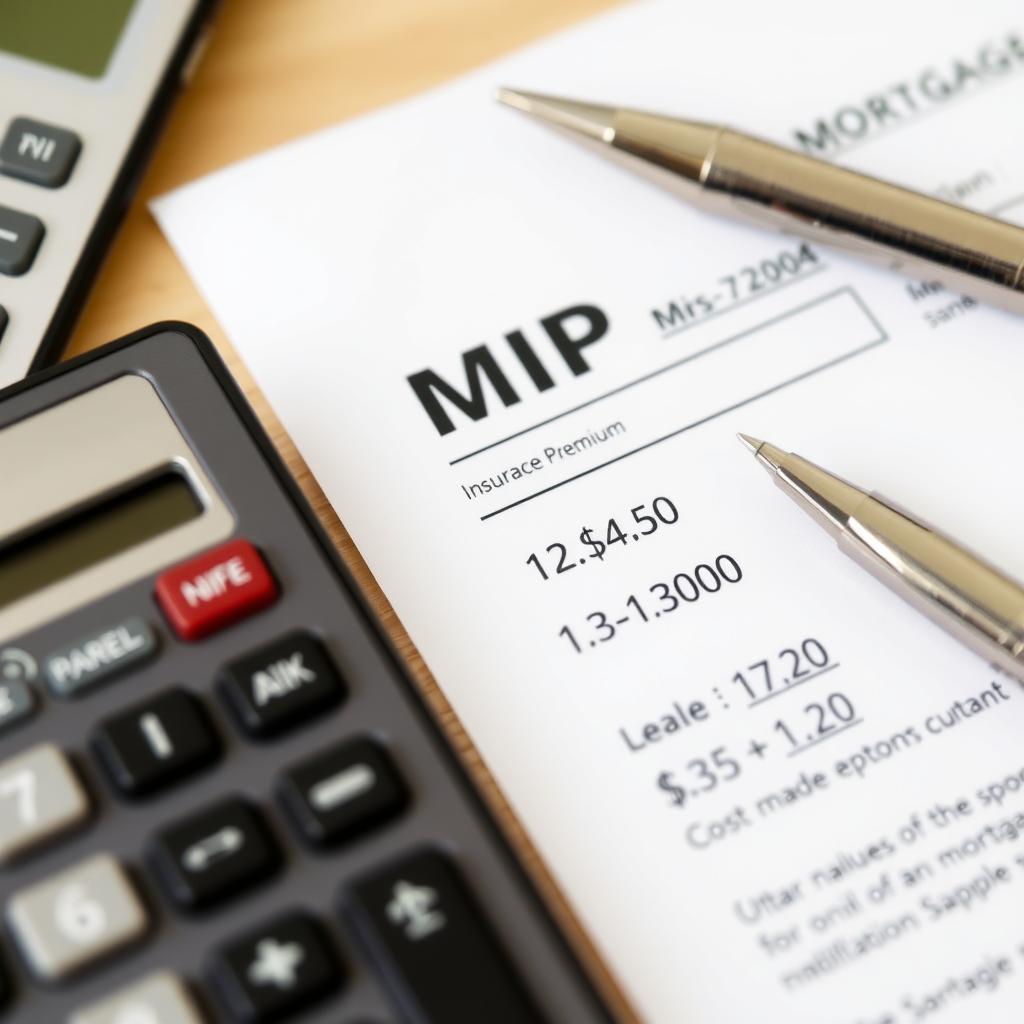
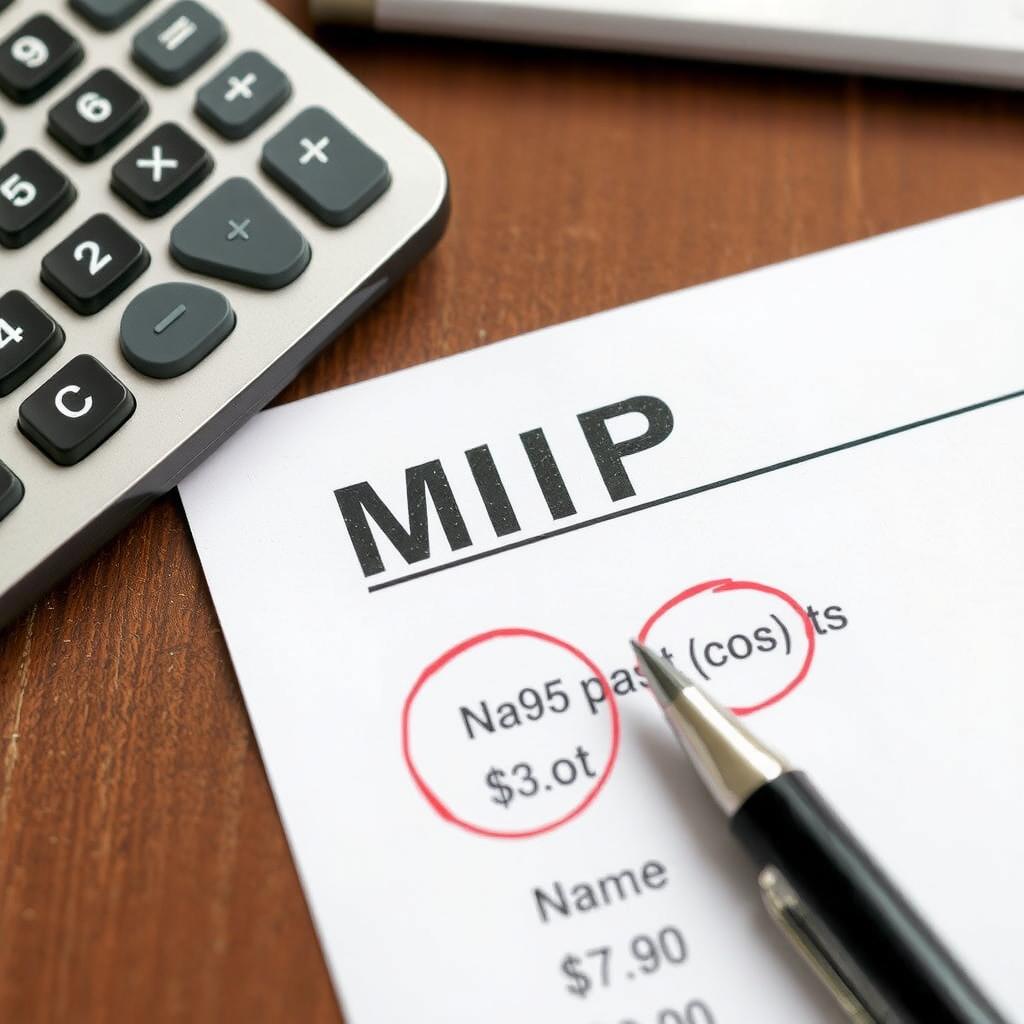
FHA loans require mortgage insurance, which protects lenders if you can’t pay. Here’s the deal:
- Upfront MIP: 1.75% of the loan, paid at closing or added to your loan.
- Annual MIP: 0.40%-0.75% of the loan, split into monthly payments. For small down payments, it sticks for the loan’s life.
It’s not cheap, but it’s why FHA loans work for people like us with less cash upfront.
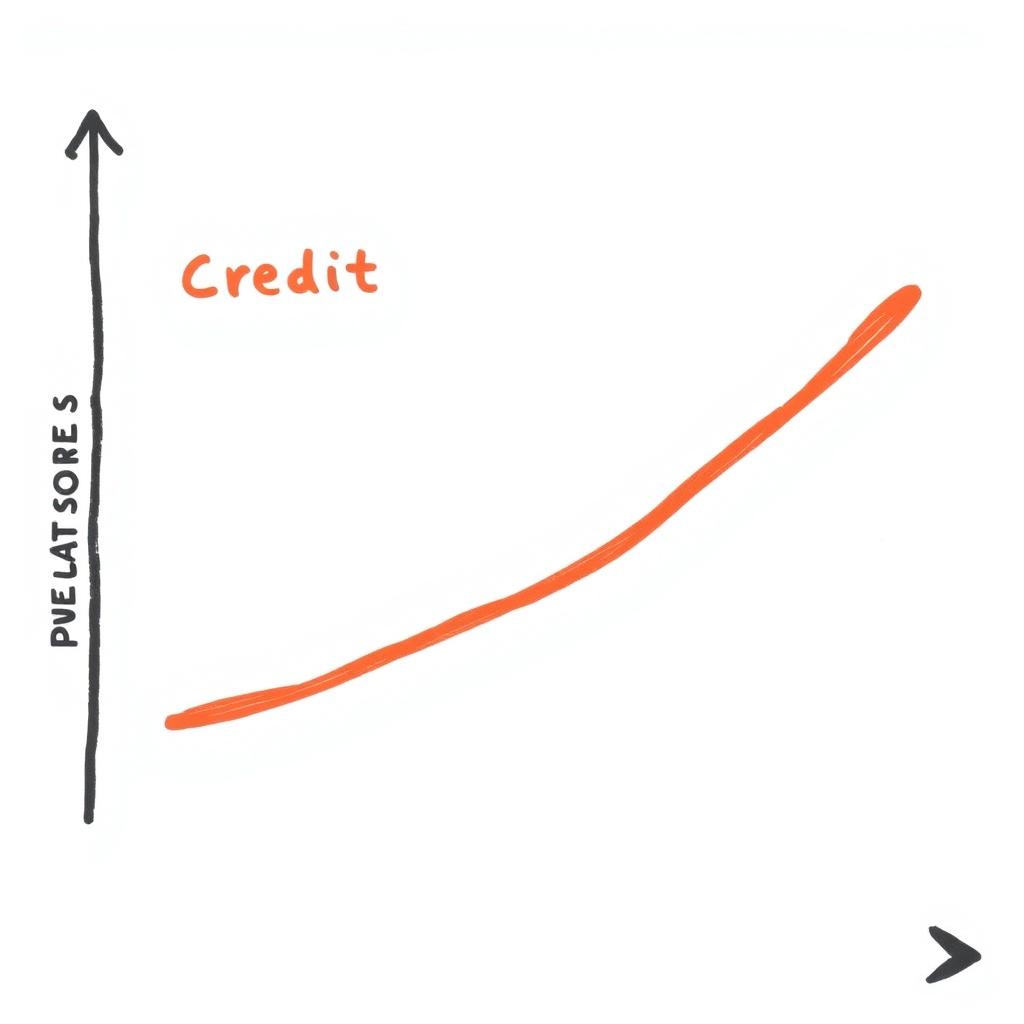
Improving your credit score for a better mortgage rate isn’t just about numbers—it’s about options. With an FHA loan, a higher score means lower rates, smaller down payments, and a smoother path to homeownership. Take it step by step, avoid pitfalls, and you’ll be ready to lock in a great deal.
- FHA Loan Limits and Guidelines
- Steps to Dispute Credit Report Errors
- HUD’s Guide for First-Time Buyers


