Becoming a new homeowner is an exciting milestone, but it also comes with a set of responsibilities. Regular home maintenance is crucial to preserving your investment, ensuring a safe and comfortable living environment, and avoiding costly repairs down the line. This comprehensive guide will walk you through essential home maintenance tips, providing you with the knowledge and tools to stay on top of your home's needs. From seasonal tasks to preventive measures and common issues, we'll cover everything you need to know to keep your home in top shape.
Seasonal Maintenance: A Year-Round Approach
Home maintenance isn't a one-time task; it's an ongoing process that changes with the seasons. By following a seasonal maintenance schedule, you can address potential issues before they become major problems. Here's a breakdown of what to focus on each season:
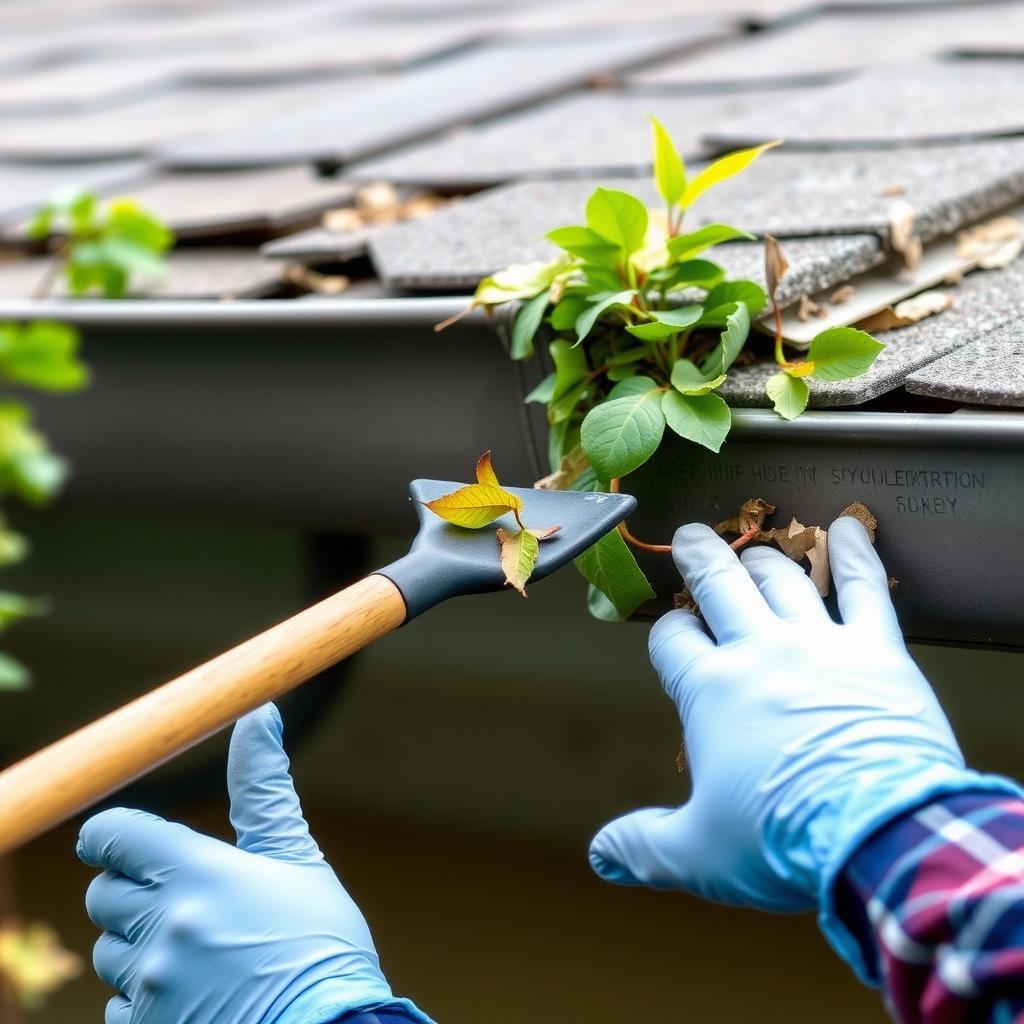
Spring: - Inspect the roof for any damage caused by winter weather, such as missing shingles or leaks. - Clean out gutters and downspouts to ensure proper drainage and prevent water damage. - Check the exterior of your home for any cracks or gaps that may have developed over the winter, and seal them to prevent pests and drafts. - Service your HVAC system to prepare for the warmer months ahead.
Summer: - Trim trees and shrubs to prevent overgrowth and potential damage to your home's exterior. - Inspect and clean your outdoor living spaces, such as decks and patios, to ensure they're safe and ready for use. - Check for any signs of pest infestations, such as termites or ants, and address them promptly. - Maintain your lawn and garden to keep your property looking its best.
Fall: - Clean out gutters and downspouts again to prepare for winter weather. - Inspect your heating system and have it serviced if necessary to ensure it's ready for the colder months. - Seal any gaps or cracks around windows and doors to prevent drafts and energy loss. - Winterize your outdoor plumbing, such as sprinkler systems and hoses, to prevent freezing and damage.
Winter: - Monitor your home's interior for any signs of water damage or leaks, especially during heavy snow or rain. - Check your smoke detectors and carbon monoxide detectors to ensure they're functioning properly. - Keep your walkways and driveway clear of snow and ice to prevent accidents. - Inspect your attic for proper insulation and ventilation to prevent ice dams and energy loss.
By following this seasonal maintenance schedule, you'll be able to stay ahead of potential issues and keep your home in excellent condition year-round.
Preventive Measures: Staying Ahead of Problems
In addition to seasonal maintenance, there are several preventive measures you can take to protect your home and avoid costly repairs. These include:
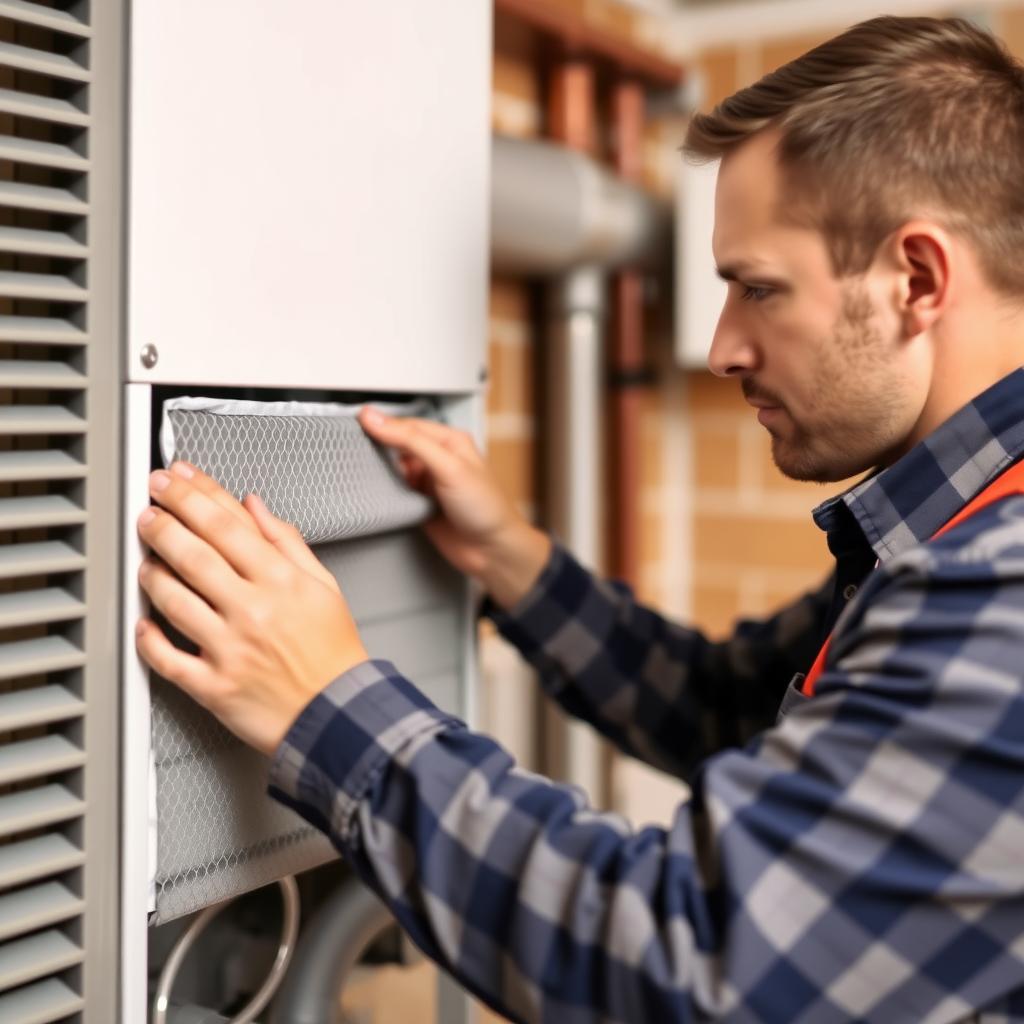
Regular HVAC Maintenance: - Have your heating and cooling systems serviced annually by a professional to ensure they're running efficiently and to catch any potential issues early. - Change your air filters regularly to improve air quality and reduce strain on your HVAC system.
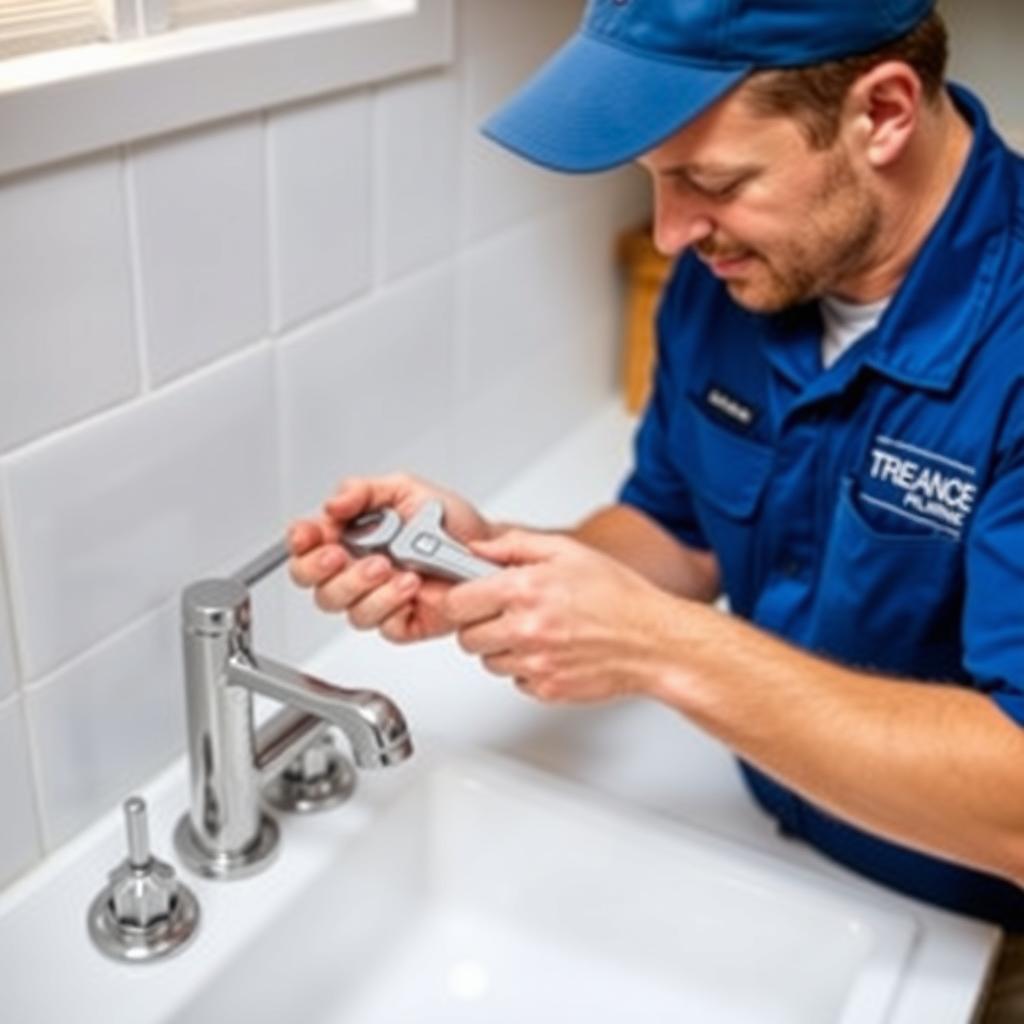
Plumbing Checks: - Inspect your plumbing regularly for any signs of leaks or damage, such as water stains or mold. - Check your water pressure and address any issues, as high water pressure can damage your plumbing over time. - Consider installing a water softener if you live in an area with hard water to prevent mineral buildup and extend the life of your appliances.
Electrical Safety: - Have your electrical system inspected by a professional every few years to ensure it's up to code and functioning safely. - Avoid overloading circuits and use surge protectors to protect your electronics. - Test your ground fault circuit interrupters (GFCIs) regularly to ensure they're working properly.
Foundation and Structural Integrity: - Keep an eye on your home's foundation for any signs of cracks or shifting, and address any issues promptly. - Ensure proper drainage around your home to prevent water from pooling near the foundation. - Consider having a professional inspect your home's structure every few years to catch any potential issues early.
By taking these preventive measures, you can protect your home from common issues and ensure it remains a safe and comfortable place to live.
Common Issues: What to Watch For
Even with regular maintenance and preventive measures, issues can still arise. Here are some common problems new homeowners may face and how to address them:
Plumbing Problems: - Leaky faucets or pipes: These can waste water and lead to higher utility bills. Fix leaks promptly by replacing worn washers or calling a plumber for more serious issues. - Clogged drains: Use a plunger or drain snake to clear minor clogs, and avoid using chemical drain cleaners, which can damage your pipes. - Running toilets: This can waste a significant amount of water. Check the flapper valve and replace it if necessary.
Electrical Issues: - Flickering lights: This could indicate a loose bulb, a faulty switch, or a more serious electrical problem. Start by checking the bulb and switch, and call an electrician if the issue persists. - Tripped circuit breakers: Reset the breaker, but if it continues to trip, there may be an overload or a short circuit that requires professional attention. - Outdated wiring: If your home has older wiring, such as knob-and-tube or aluminum wiring, consider having it updated to improve safety and efficiency.
Pest Control: - Ants, termites, and other pests can cause significant damage to your home. Regularly inspect for signs of infestation, such as droppings or damaged wood, and call a pest control professional if needed. - Prevent pests by sealing cracks and gaps, keeping food stored properly, and maintaining a clean home.
By being aware of these common issues and knowing how to address them, you can minimize their impact on your home and your wallet.
The Home Buying Process: A Quick Overview
While this guide focuses on home maintenance, it's important to understand the home buying process, especially if you're a first-time buyer. Here are some key steps and terms to know:
Steps to a Successful First-time Home Buying Experience: 1. Determine your budget and get pre-approved for a mortgage. 2. Find a real estate agent who specializes in working with first-time buyers. 3. Start house hunting and make an offer on a home that meets your needs. 4. Have the home inspected and appraised. 5. Close on the home and move in.
FHA Mortgage Pre-approval Process: - FHA loans are popular among first-time buyers because they offer lower down payments and more flexible credit requirements. - To get pre-approved for an FHA mortgage, you'll need to provide financial documents, such as pay stubs and tax returns, to a lender. - The lender will review your financial information and determine how much you can borrow.
FHA Appraisal: - An FHA appraisal is required for homes purchased with an FHA loan. - The appraisal ensures the home meets certain safety and livability standards and determines its market value. - If the appraisal comes in lower than the purchase price, you may need to renegotiate with the seller or make up the difference in cash.
Understanding these key terms and steps can help you navigate the home buying process with confidence.
Conclusion
In conclusion, being a new homeowner comes with its share of responsibilities, but with the right knowledge and tools, you can keep your home in top shape. By following a seasonal maintenance schedule, taking preventive measures, and being aware of common issues, you can protect your investment and enjoy your home for years to come. Remember, regular maintenance is key to avoiding costly repairs and ensuring a safe, comfortable living environment.
For more information on home maintenance and the home buying process, check out these recommended readings: - 10 Must-Know Tips for First-Time Home Buyers - The Ultimate Guide to Seasonal Home Maintenance - Understanding FHA Loans: A Guide for New Homeowners - How to Choose the Right Home Insurance Policy - DIY Home Maintenance: Tips and Tricks for New Homeowners
By staying informed and proactive, you can make the most of your homeownership experience.