Refinancing your home can lower monthly payments, build equity, or free up cash for other needs. Yet many homeowners rush into it and face big surprises. The Top 5 Mistakes to Avoid When Refinancing Your Home protect your finances and help you get the best deal. This guide walks through common pitfalls with clear steps and real-world insights so you can refinance confidently and avoid costly errors.
Refinancing your mortgage: when and why is one of the biggest decisions you will make. You might refinance if your current rate is higher than today's market rate. Lower payments can mean more money for savings or family. Or you may want to shorten your loan term, switch to a fixed rate, or pull cash for home improvements. A successful refinance depends on your credit, home value, and long-term plans. Before you apply, compare options and calculate your break-even point so the savings actually outweigh the costs.
Many people skip this step and end up worse off. Here are the Top 5 Mistakes to Avoid When Refinancing Your Home, explained with honest advice from someone who has guided dozens of families through the process.
1. Skipping the Prepayment Penalty Check
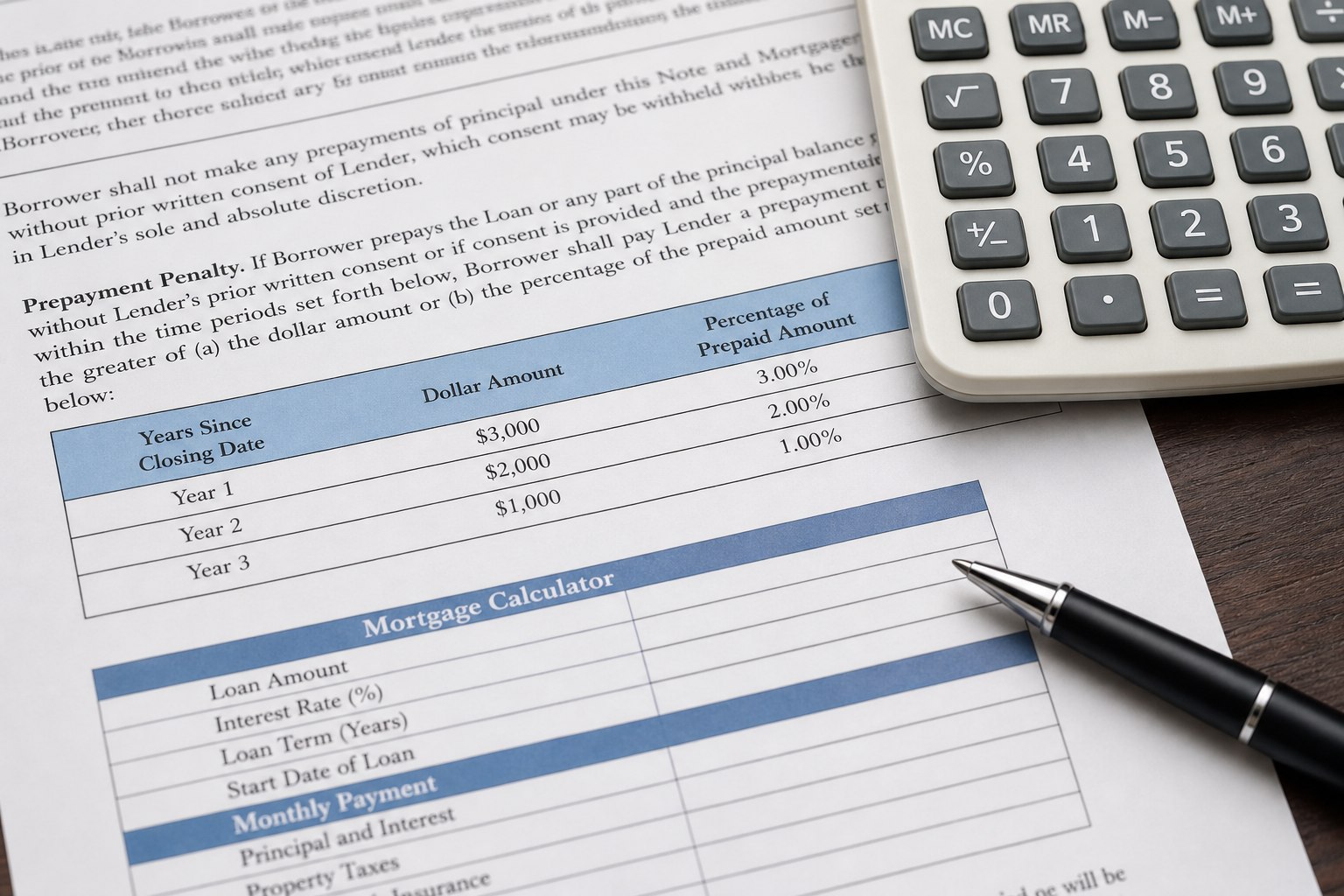
A prepayment penalty is a fee that kicks in when you pay off your current mortgage early. It can add hundreds or thousands of dollars right when you close your new loan. The Top 5 Mistakes to Avoid When Refinancing Your Home start with this one. Always check your current mortgage documents or statement for any penalty language.
If you find one, ask your lender whether it can be waived. Sometimes the penalty disappears if you refinance with the same company. But if you still owe it, the savings from lower rates may disappear quickly. I once helped a client who ignored this and ended up owing extra fees equal to six months of payments. The lesson? Read every line before you sign anything.
This mistake feels tempting when rates look great, but it almost always costs more than it saves. Take the extra five minutes to review your current loan paperwork. It can save you thousands in the long run.
2. Ignoring Closing Costs
Closing costs can add 2% to 5% of your loan amount, or thousands of dollars. The Top 5 Mistakes to Avoid When Refinancing Your Home include not budgeting for these upfront fees. Recent data from the Consumer Financial Protection Bureau shows median closing costs have risen to over $5,900 in some refinance cases.
Many homeowners expect "no-cost" refinances but learn later that higher rates or hidden fees make up for it. Always ask for a full breakdown of costs, including application fees, appraisal, title search, and insurance. Use the break-even calculator to see how long it will take for monthly savings to cover those costs.
Learn more about typical refinancing fees from the Federal Reserve.
I advise clients to treat closing costs like any other big expense. Shop around and compare offers from at least three lenders. One client saved $4,200 by negotiating a lower appraisal fee and rolling some costs into the new loan responsibly. Never assume a low rate means low total cost.
3. Failing to Ask the Right Questions Before Signing
The Top 5 Mistakes to Avoid When Refinancing Your Home include rushing into the final step without full information. Before you sign, ask your mortgage broker about: the exact interest rate and whether it is locked for a specific period; how much closing costs total and what is included; any prepayment penalties or early payoff fees; and whether you can change the loan term or add points later.
Questions to Ask Your Mortgage Broker Before Signing should cover the loan estimate details, appraisal process timeline, and any risks with adjustable-rate options. These conversations help you spot problems early and build trust in the lender.
Check the official CFPB guidance on refinancing decisions for more questions to ask.
Take notes during meetings and request everything in writing. This simple habit has saved my clients from unexpected surprises and made the mortgage application process smoother overall.

4. Underestimating the Mortgage Application Process
A smooth mortgage application process starts with strong preparation. The Top 5 Mistakes to Avoid When Refinancing Your Home include skipping required documents or underestimating how long everything takes. Lenders need proof of income, bank statements, tax returns, and sometimes an updated appraisal.
Tips for a smooth mortgage application process include pulling your credit report early to fix errors, gathering documents in one folder, and setting realistic timelines. Expect the full process to take 30 to 60 days. Work with a trusted broker who explains each step.
I have seen so many applications get delayed because people wait until the last minute. Start early, keep copies of everything, and communicate regularly with your lender. When you follow these tips for a smooth mortgage application process, you reduce stress and increase your chances of approval.
5. Not Comparing Multiple Lenders or Brokers
The final Top 5 Mistakes to Avoid When Refinancing Your Home is choosing the first offer you see. Shopping around can save you thousands in rate differences and fees. The Top 5 Mistakes to Avoid When Refinancing Your Home include accepting the first rate that looks good.
Use the Federal Reserve shopping worksheet and compare at least three lenders. One client switched brokers and lowered their rate by 0.5% while cutting closing costs in half. Independent lenders and credit unions often offer competitive deals without the big bank fees.
This mistake is easy to make when you feel pressured, but taking time to compare pays off big time. My best advice? Let your lender know you are shopping. It often leads to better offers without extra work.
Ready to refinance the right way? At mgs mortgage services, we specialize in guiding homeowners through every step with clear explanations and personalized options. Whether you want to lower your rate, cash out equity, or simplify your payments, our team helps you avoid common pitfalls and get the best possible terms.
The key takeaway is simple: the Top 5 Mistakes to Avoid When Refinancing Your Home all come down to preparation and comparison. By checking prepayment penalties, budgeting for closing costs, asking the right questions, streamlining your mortgage application process, and shopping around, you protect your home and your wallet. Take action today so your next move works in your favor.
Refinancing your home is a powerful tool when done carefully. Stay informed, ask questions, and choose partners you trust. Your financial future will thank you.


