Overview
FHA loans are a favorite for first-time homebuyers thanks to their low down payments and flexible credit rules. But they come with specific appraisal requirements to ensure the property is safe and sound. This article breaks down everything you need to know about FHA loan appraisal requirements.

What is an FHA Loan?
An FHA loan is a mortgage backed by the Federal Housing Administration. This backing means lenders take less risk if borrowers can’t pay, so they’re more open to helping people with lower credit scores or smaller down payments. To get this protection, though, the property has to pass an appraisal that meets FHA standards.
Why the Appraisal Matters
The appraisal isn’t just about value—it’s about safety too. I remember buying my first home and feeling nervous when the appraiser showed up. He checked every corner, from the attic to the basement. It felt good knowing someone was making sure the place was solid.
Breaking Down FHA Appraisal Requirements
The FHA appraisal has two big parts: figuring out the property’s worth and checking its condition. The appraiser looks at the home through the lens of the FHA’s Minimum Property Standards (MPS). These rules make sure the house is safe, secure, and structurally okay.
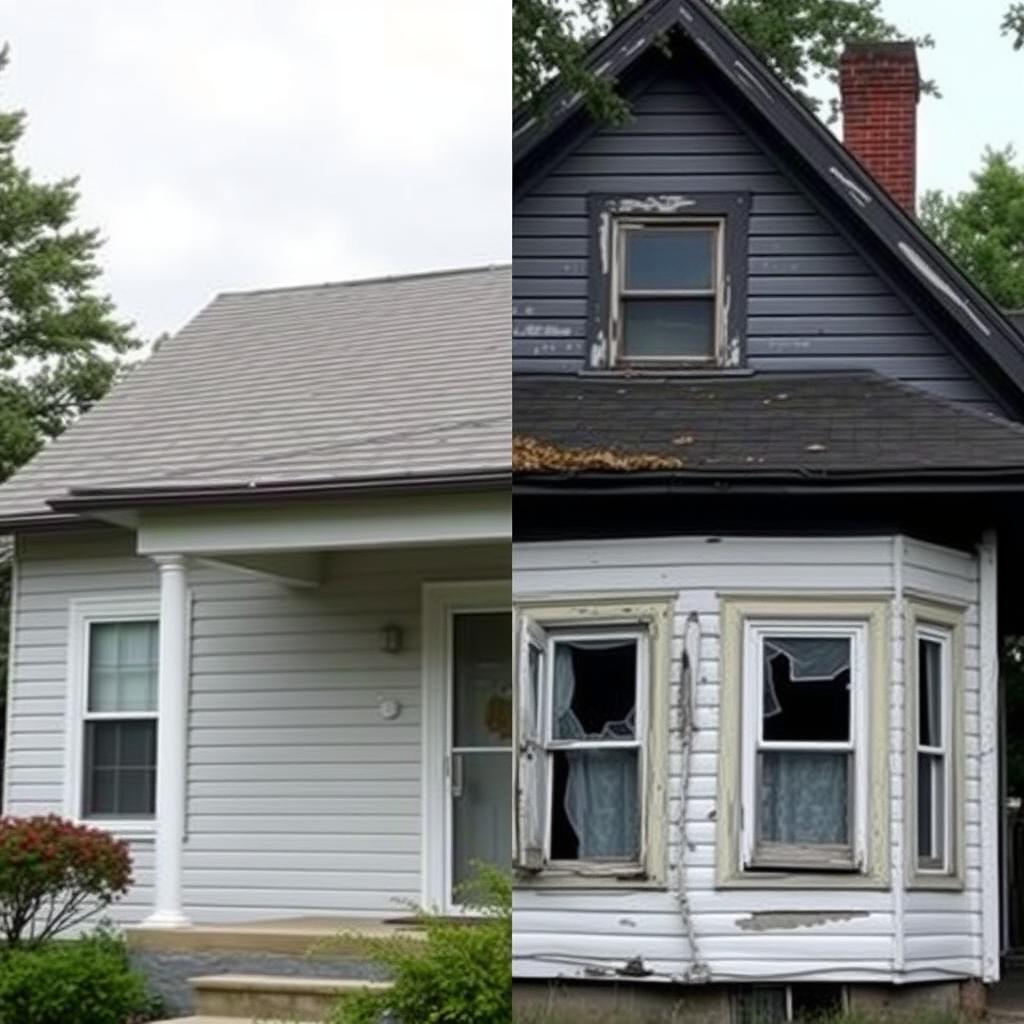
For instance, the home needs a clean water supply and a working sewer system. It can’t have dangers like lead paint—especially in older homes. The appraiser also looks for things like a leaky roof or cracked foundation. If there’s an issue, it has to be fixed before the loan goes through.

How It’s Different from Conventional Loans
A regular mortgage appraisal mostly cares about how much the house is worth. But an FHA appraisal digs deeper. It’s checking for health and safety too. This can make it tougher, but it’s there to protect you. Learn more about these differences from the U.S. Department of Housing and Urban Development (HUD), which runs the FHA program.
The Valuation Process
To set the home’s value, the appraiser compares it to similar houses nearby that sold recently. This is called the sales comparison approach. They also factor in the home’s condition and any upgrades—like a new kitchen or fixed roof.
Numbers back this up. HUD says the average FHA loan in 2020 was around $250,000. That’s a big investment, so the appraisal ensures it’s worth it. Check out HUD’s FHA loan data for more stats.

Who Does the Appraisal?
FHA appraisers aren’t just anyone—they’re certified and trained specifically for this. They follow strict rules called the Uniform Standards of Professional Appraisal Practice (USPAP). It’s a big responsibility, and they take it seriously.
Common Problems to Watch For
One thing that trips people up is peeling paint, especially in homes built before 1978. That could mean lead paint, and the FHA won’t budge—it has to be fixed. Other issues like broken windows or faulty wiring can also hold things up.
Tips to Get Ready
Getting ready is simple but important. Clean the house, mow the lawn, and fix small problems like leaky faucets. I once made a list of upgrades—like new carpet—and gave it to the appraiser. It helped show the home’s value.
FHA vs. Conventional Appraisal: Quick Look
Here’s how they stack up:
| Aspect | FHA Appraisal | Conventional Appraisal |
|---|---|---|
| Focus | Value and condition | Mostly value |
| Standards | Must meet MPS | No set standards |
| Appraiser | FHA-certified | No special certification |
This table shows why FHA rules are stricter—it’s about more than just money.
Why It’s Worth It
The process might feel like a hassle, but it’s there for a reason. When I bought my home, passing the appraisal gave me peace of mind. It meant the place was safe for my family and a smart buy.
Extra Resources
Want to dig deeper? The National Association of Realtors has great info on appraisals and FHA mortgages. It’s a solid place to learn how these rules play out in real life.
Summary
FHA loan appraisal requirements make sure your home is safe, secure, and a good deal. They’re tougher than conventional appraisals, but that extra care protects you as a buyer. With the right prep, you’ll sail through and land your dream home.


